

How to Plan an Executive Portrait Session in 2026
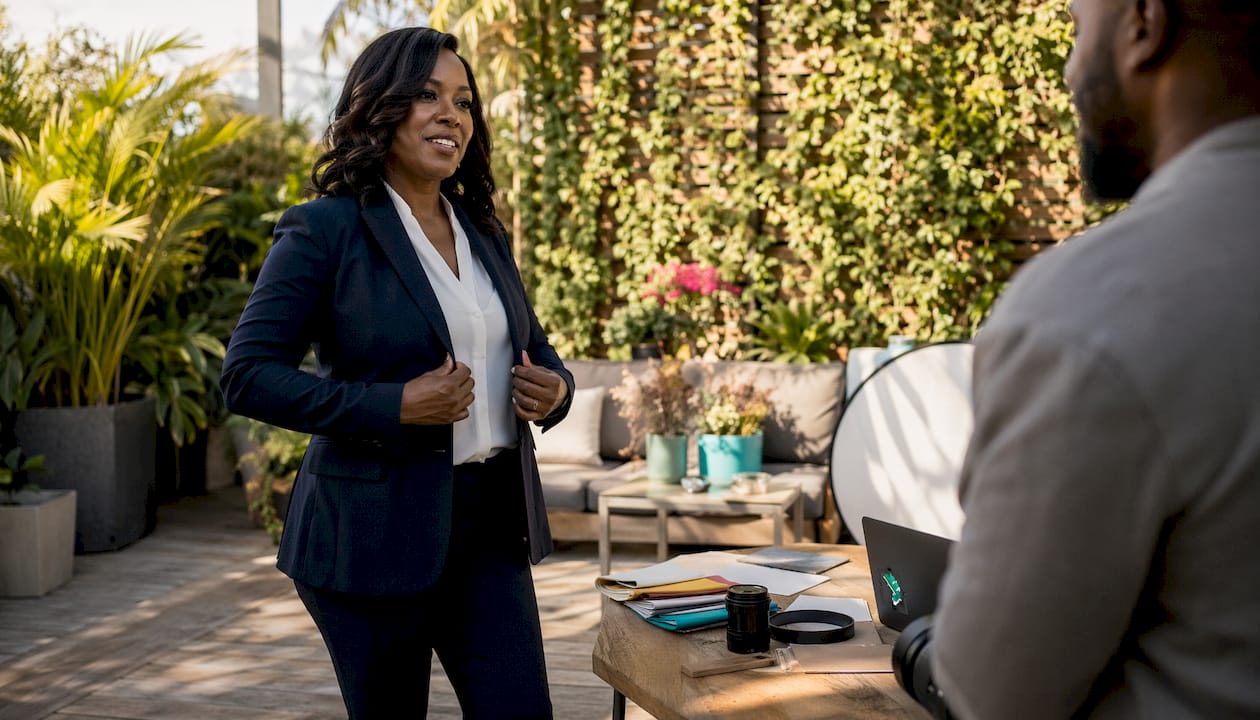
A well-planned executive portrait session delivers polished, brand-aligned images that work across LinkedIn, company websites, investor decks, press materials, and speaking profiles. The goal is not just a good photo. It is a strategic business asset that shapes how investors, clients, and recruits perceive your leadership before any conversation takes place.
Here is what every effective session covers:
- Consultation: Align on brand goals, intended image uses, and session scope before the shoot date
- Scheduling: Block 30–90 minutes depending on the number of looks and executives involved
- Photographer selection: Evaluate portfolio quality, experience with executive clients, and communication style
- Wardrobe preparation: Choose attire, colors, and grooming that project authority and approachability
- Location choice: Decide between studio, on-site, or environmental settings based on your brand
- Post-session workflow: Understand retouching standards, delivery timelines, and file formats
A typical executive session runs 30–90 minutes and produces images usable across every professional platform for two to three years. Getting each of these elements right before the shoot day is what separates a polished result from a rushed one.
Why executive portraits are a strategic business asset
Your executive portrait is often the first impression you make on a potential investor, client, or hire. That impression happens before any meeting, call, or handshake. A strong portrait signals credibility, current relevance, and attention to detail. An outdated or inconsistent one creates friction in the trust-building process before you have said a word.
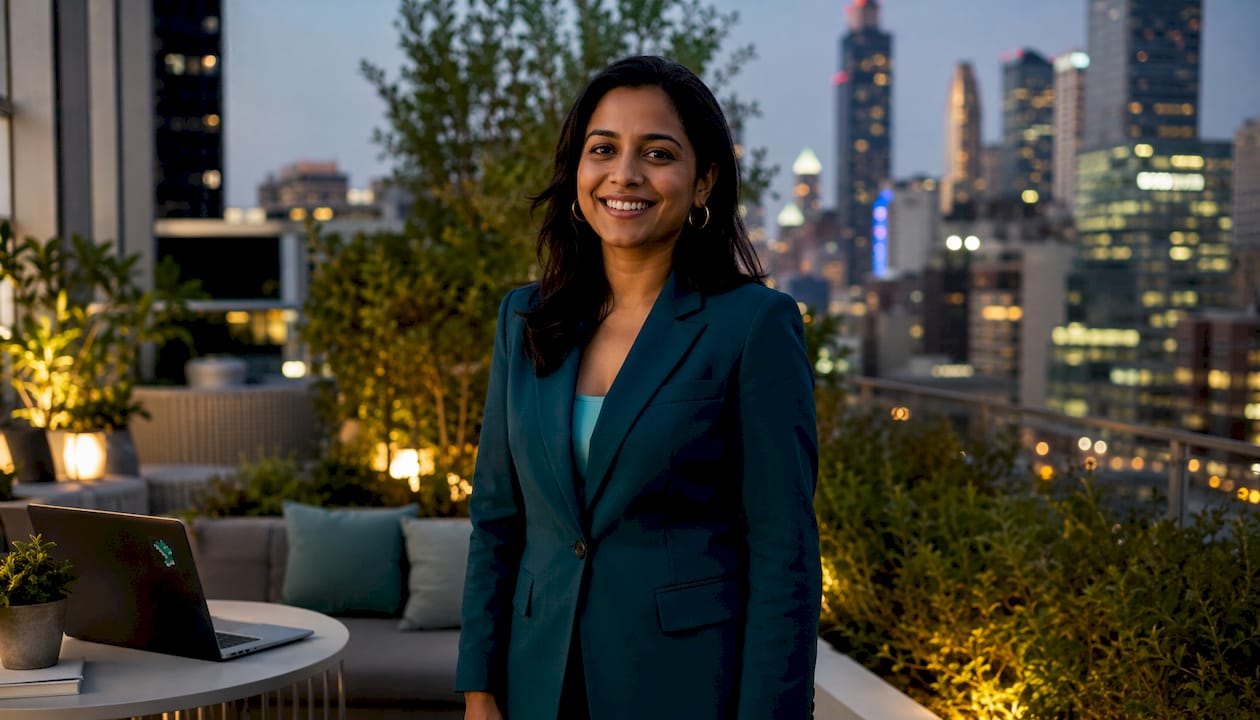
Executive portraits support your organization’s reputation across multiple high-stakes contexts: leadership pages, annual reports, press features, conference programs, and recruiting materials. Consistency across all of these platforms reinforces authenticity. When your LinkedIn photo, website bio image, and press headshot all come from the same session, your brand reads as cohesive and professional.
The executive portrait photography benefits extend well beyond personal branding. A leadership team with mismatched, outdated photos signals disorganization to outside audiences. Refreshed, consistent imagery signals that your organization is current, proactive, and attentive to detail.
How to plan your executive portrait session: pre-session steps
Strong results start weeks before the shoot. The pre-session phase covers three areas: consultation, scheduling, and location.
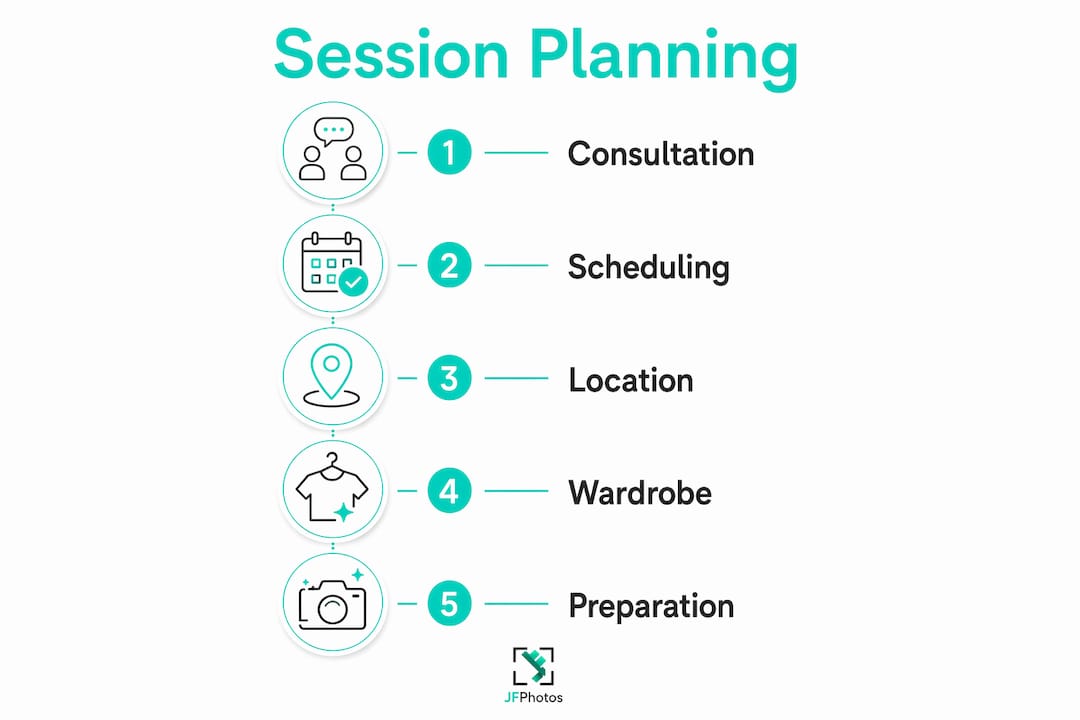
Consultation is where you align on purpose. Before the session, discuss with your photographer how the images will be used, what platforms they need to work on, and what impression you want to make. Bring examples of portraits you admire. Share your company’s brand guidelines, color palette, and any existing imagery the new photos need to complement.
Scheduling requires realistic time blocks. For leadership team sessions, plan for approximately 6 people per hour, with individual sessions running 30–45 minutes to allow for multiple looks. Group shots should be scheduled after all individual portraits are complete, with a buffer of at least 30–40 minutes for equipment reset. Setup alone takes 45 minutes to an hour, so build that into your timeline.
Location shapes the tone of the final image. Three options each serve different purposes:
- Studio: Clean, controlled, and polished. Best for finance, law, and established corporate environments where authority is the priority.
- On-site: Boardrooms, offices, or lobbies that add context and personality. Works well for founders and consultants whose personal brand ties closely to their work
- Environmental: Outdoor or industry-relevant settings that communicate energy and approachability
For most executives, a studio session with a few environmental portrait options provides the most versatility across platforms. Remote virtual sessions are also available for distributed teams, with some services completing sessions in approximately 10 minutes via smartphone and delivering edited images within 24 hours.
Pro Tip: Book your session for the first half of the day. Energy levels and facial freshness are noticeably better in the morning, and natural light is easier to work with before midday.
How to choose the right photographer for executive portraits
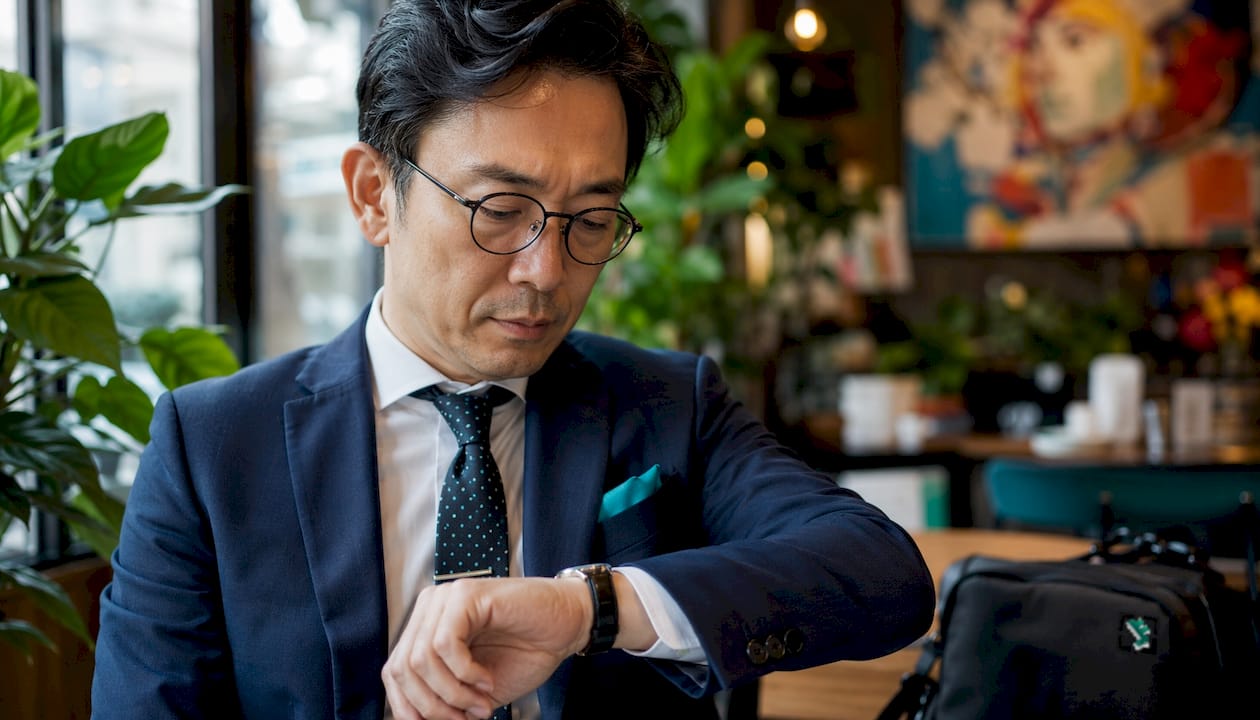
Photographer selection is the single decision that most affects your final result. Start with the portfolio. Look specifically for executive and corporate work, not just general portrait photography. The images should show confident, natural subjects with clean lighting, consistent backgrounds, and professional retouching that still looks like the person.
Beyond the portfolio, evaluate communication. A photographer who asks detailed questions about your brand, your intended image uses, and your wardrobe before the session is one who plans deliberately. That preparation translates directly into fewer surprises on shoot day. Ask how they handle wardrobe guidance, what their session flow looks like, and how they put nervous subjects at ease.
Photographer experience with executive clients matters because executives are often uncomfortable in front of a camera and pressed for time. A photographer who has worked with C-suite clients knows how to move efficiently, give clear direction, and create a relaxed atmosphere without wasting anyone’s time.
Pro Tip: Request a pre-session call or prep guide from your photographer. Photographers who send detailed wardrobe and grooming guidance in advance consistently produce better results because clients arrive prepared and confident.
Wardrobe, styling, and posing for executive portraits
What you wear on camera communicates before your expression does. Research from Photofeeler shows that formal business attire increases perceived competence by approximately +0.94 and influence by +1.29 on a normalized scale. The caveat is that competence without warmth reads as unapproachable, so the goal is authority balanced with a natural, relaxed presence.
Wardrobe guidelines by gender:
- Men: Collared shirt with a suit jacket in solid, neutral colors. Avoid busy patterns, which distract from your face. White shirts against white backdrops create contrast problems, so coordinate your shirt color with the planned background
- Women: Classic, solid-color blouses or structured jackets worn at work translate well on camera. Avoid dangly earrings, busy necklaces, and scarves, which can complicate editing and date the image faster
Bring two to three outfit options to the session. Your photographer can help you choose what works best against the selected background and lighting setup.
Grooming and makeup deserve real attention, especially for high-resolution and video use. Professional hair and makeup artists make a noticeable difference in photo quality, adding fine-tuned enhancements that hold up under studio lighting. If budget allows, women should plan an additional 20–30 minutes pre-shoot for styling, and men at least 15–20 minutes. At minimum, get a haircut a few days before the session and use moisturizer to reduce shine.
Posing is where authority and approachability meet. The most effective executive poses share a few consistent traits: direct eye contact with the camera, relaxed shoulders, a slight body angle rather than straight-on, and a natural expression that sits between a full smile and a serious look. Practicing in front of a mirror before the session helps you identify your best angles and reduces self-consciousness on the day.
What happens after the shoot: editing, retouching, and delivery
Post-session workflow is where raw images become polished business assets. Professional retouching for executive portraits typically covers skin tone correction, blemish removal, minor flyaway hair cleanup, and background refinement. The goal is a portrait that looks like the best version of you, not an over-processed version that no longer resembles you in person.
Standard turnaround for executive sessions is 3–5 business days for a curated, retouched gallery. Rush delivery is available for time-sensitive needs such as investor decks, press announcements, or upcoming speaking engagements. Confirm this timeline with your photographer before the session.
Key post-session steps to manage:
- Image selection: Review a contact sheet or proof gallery and select your preferred images before final retouching begins
- File formats: Request high-resolution files for print and web-optimized versions for digital platforms. LinkedIn, websites, and press outlets each have different size requirements
- Usage consistency: Use the same image, or images from the same session, across every professional platform. A LinkedIn photo that does not match your company website bio creates a subtle but real credibility gap
- Retouching feedback: Communicate your preferences clearly. If you want lighter retouching or have specific concerns, say so during the review stage, not after final delivery
For corporate headshot retouching standards and what to expect from a professional editing process, reviewing examples from your photographer’s past executive work gives you a reliable benchmark.
Why executive portraits matter more than ever in 2026
The stakes for executive imagery have risen alongside the growth of digital-first business relationships. Your portrait now appears in contexts that directly influence high-value decisions: investor relations pages, board bios, merger announcements, keynote speaker profiles, and recruiting materials targeting senior talent. Each of these is a conversion moment, and your image is doing the work before you are in the room.
Formal attire increases perceived competence and influence measurably, but the research is equally clear that warmth is not optional. An executive who looks authoritative but cold loses the connection that turns a first impression into a business relationship. The best executive portraits hold both qualities at once: confident posture, direct gaze, and an expression that reads as approachable.
Outdated photography creates a specific kind of trust problem. When a client or investor meets you in person and you look noticeably different from your headshot, the disconnect registers immediately. It signals that your organization does not prioritize accuracy or currency, which is a subtle but real reputational cost. Refreshing executive portraits every 12–18 months, or after a significant role change, keeps your visual presence aligned with your actual leadership position.
Consistency across the leadership team amplifies this effect. A polished, uniform set of portraits across your C-suite signals organizational cohesion. A patchwork of mismatched photos from different years and styles signals the opposite.
Lighting setup and techniques for executive portraits
Lighting is the technical foundation of every strong executive portrait. The most common and reliable setup for studio sessions is a three-point lighting arrangement: a key light as the primary source, a fill light to soften shadows on the opposite side, and a hair or rim light to separate the subject from the background. This setup creates depth and dimension without harsh shadows that age or harden the subject’s appearance.
For on-site sessions, window light is a practical and flattering option when the window is large and the light is diffused. Direct sunlight creates unflattering contrast, so north-facing windows or overcast conditions work best. When natural light is inconsistent, portable LED panels or speedlights on stands give the photographer control over the final look regardless of the room’s existing light.
Soft, diffused light flatters most skin tones and reduces the need for heavy retouching. A large softbox or umbrella modifier placed at roughly a 45-degree angle to the subject is the standard starting point for executive work. The photographer should test and adjust lighting before the first executive sits down, not during the session itself.
Equipment and technical considerations
Camera and lens choice directly affect how flattering and sharp your executive portraits turn out. A full-frame camera body paired with an 85mm or 105mm portrait lens is the industry standard for executive headshots. These focal lengths compress the background naturally and render facial features with minimal distortion, which is why they are preferred over wider lenses that can exaggerate nose size or facial proportions.
Shooting tethered to a laptop during the session is a practice worth requesting. When the executive can see images on a larger screen in real time, they can give immediate feedback, and the photographer can make lighting or posing adjustments on the spot rather than discovering problems after the session ends.
For professional photography sessions that need to hold up at large print sizes or in high-definition video overlays, file quality matters. Request RAW or high-resolution JPEG files. The rise of 4K and 8K displays means that low-resolution files show their limitations quickly in modern business contexts.
Background and setting elements
The background of an executive portrait does one job: keep the focus on the person. A neutral backdrop, whether a clean white, gray gradient, or dark charcoal, is a reliable choice that works across virtually every platform and brand color scheme. It reads as polished and authoritative without competing with the subject.
Backdrop selection should align with the intended use of the final images. If your company website uses a white background throughout, a seamless white paper backdrop ensures the portrait integrates cleanly. If your brand allows for more personality, an environmental setting such as a well-lit boardroom, a branded office wall, or an outdoor urban space can add context and character.
The key principle for choosing your background is consistency across the leadership team. When every executive’s portrait uses the same background family, crop, and framing, the result is a cohesive leadership page rather than a collection of individually fine but collectively mismatched images.
Managing client expectations and communication during the session
Clear communication before and during the session prevents the most common sources of dissatisfaction. Before the shoot, confirm the session scope in writing: number of looks, estimated duration, number of final retouched images, delivery timeline, and file formats. Executives who arrive knowing exactly what to expect are more relaxed and more cooperative.
During the session, the photographer’s role includes directing posture, expression, and positioning, but also managing energy and pace. Brief, specific direction works better than vague encouragement. “Relax your shoulders and look just left of the lens” is more useful than “just be natural.” Checking images together on a tethered screen at key points in the session gives the client confidence that the shoot is on track.
If you are coordinating a corporate headshot session for a leadership team, assign a point of contact on the client side to manage the schedule, communicate wardrobe reminders, and keep executives moving through on time. This single organizational step prevents the delays that compress session time and compromise results.
How to help executives feel comfortable and natural on camera
Most executives are not comfortable in front of a camera, and that discomfort shows in the final images as stiffness, forced smiles, or a guarded expression. The photographer’s job is to create conditions where the subject forgets they are being photographed.
Practical techniques that work consistently: play music in the background to reduce the silence that makes people self-conscious; keep conversation going between shots so the subject stays mentally engaged rather than fixating on the camera; and give the executive something to do with their hands or body, such as adjusting their jacket or shifting weight, to break the static quality of posed portraits.
Showing the executive a few strong frames early in the session builds confidence quickly. When they see that the images look good, their posture opens up and their expression relaxes. That shift usually produces the best images of the session. A professional photography experience that feels collaborative rather than clinical consistently delivers more natural, authentic results.
Practicing poses and expressions in a mirror before the session day also helps. Executives who arrive having already identified their comfortable angles and natural expressions spend less time in the awkward discovery phase and more time producing usable images.
Key Takeaways
A well-planned executive portrait session requires consultation, deliberate scheduling, careful wardrobe preparation, and a clear post-session workflow to produce images that build trust and support your brand across every professional platform.
| Point | Details |
|---|---|
| Session length and scope | Individual executive sessions typically run a standard duration suitable for multiple looks; leadership team sessions are planned to efficiently accommodate the number of participants per hour. |
| Formal attire and perceived authority | Formal business attire increases perceived competence by about +0.94 and influence by +1.29 on a normalized scale; balancing warmth is essential to avoid appearing unapproachable. |
| Image delivery timeline | Professional retouching and delivery generally occurs within a few business days, with options for expedited service for urgent requirements. |
| Consistency across the team | Matching background, lighting, and crop across all leadership portraits prevents patchwork branding. |
| Refresh frequency | Executive portraits are best updated regularly, particularly after significant role changes, to maintain visual credibility and alignment with current leadership. |
Ready to book your executive portrait session?
JFPhotos brings over a decade of professional photography experience to executive and corporate portrait sessions in Phoenix, AZ. Whether you need a single leadership portrait or a full team refresh, we deliver tailored portrait photography with professional retouching and reliable turnaround times. Every session is planned around your brand goals and the specific platforms where your images will work hardest.
Ready to get started? Book your session with JFPhotos today and get portraits that represent your leadership with confidence.
Recommended
Recent Posts