

Documentary Wedding Photography: A Couples’ Guide
Documentary wedding photography is an observational, truth-first approach that records unscripted moments as they naturally unfold, with minimal direction from the photographer. The goal is authentic storytelling, not posed perfection. If you want images that capture how your wedding felt , not just how it looked, this style is likely your best fit.
A few quick signals to help you decide:
- Best for: Couples who want emotional authenticity, a relaxed day, and images that age well. It’s also a strong fit for camera-shy couples who tense up when asked to pose.
- Common approach: Most photographers blend documentary instincts with a short portrait session, so you still get a handful of polished couple shots alongside the candid coverage.
- Typical deliverables: Full-day coverage typically delivers 400–800+ edited images, reflecting how much of your day gets captured when nothing is missed.
- Style note: Documentary and wedding photojournalism are closely related. The key difference is that documentary allows for light, natural prompts to draw out genuine reactions, while strict photojournalism treats the wedding like a news event with zero intervention.
JFPhotos approaches weddings with this documentary-led philosophy, combining observational instincts with professional editing to deliver galleries that tell your full story.
Table of Contents
- How does documentary compare to other wedding photography styles?
- What does documentary wedding photography actually look like?
- What are the real pros and cons of documentary wedding photography?
- How to choose a documentary wedding photographer
- What to expect for delivery, image counts, and cost
- How to prepare for your wedding day to get the best documentary photos
- What your final gallery will look like: editing style and deliverables
- How documentary photographers actually work on your wedding day
- Key Takeaways
- Why documentary wedding photography matters more than most couples realize
- See documentary wedding photography in action with JFPhotos
- Useful sources for further reading
How does documentary compare to other wedding photography styles?
Wedding photography styles sit on a spectrum from full direction to zero intervention. Understanding where each style falls helps you choose the right fit.
Traditional/formal photography is built around direction. The photographer guides posing, arranges groups, and controls how key moments look. The results are polished and predictable, which works well for families who want formal records. The tradeoff is time: traditional coverage can pull you away from guests repeatedly throughout the day.
Editorial photography sits in the middle. It prioritizes magazine-quality images, which means direction and posing are central to the process. An editorial photographer might stage a first look with specific positioning, dramatic light, and a composed background. The images look stunning but reflect a crafted version of the moment rather than the moment itself.
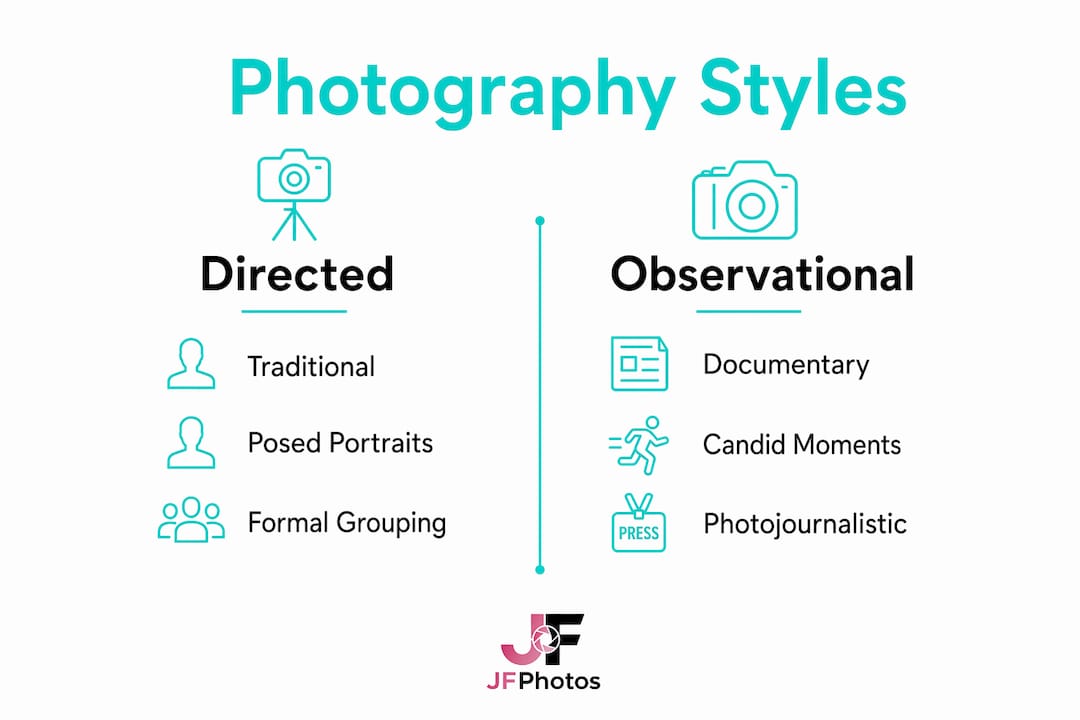
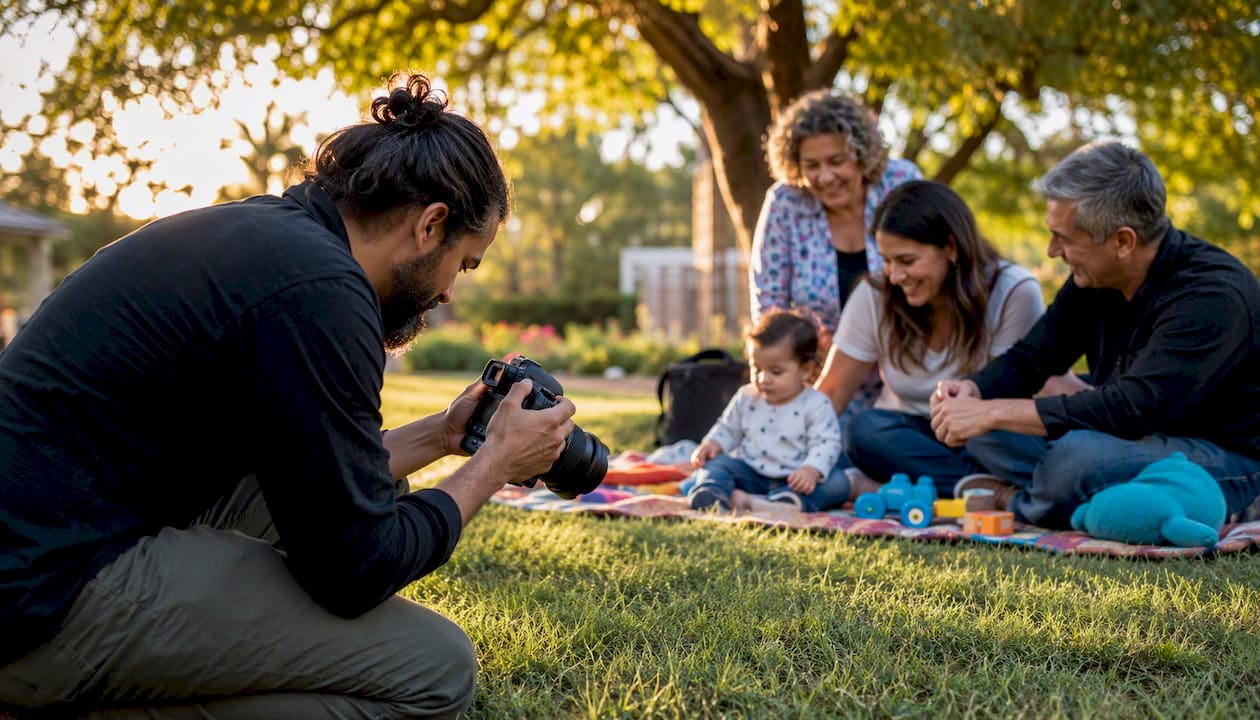
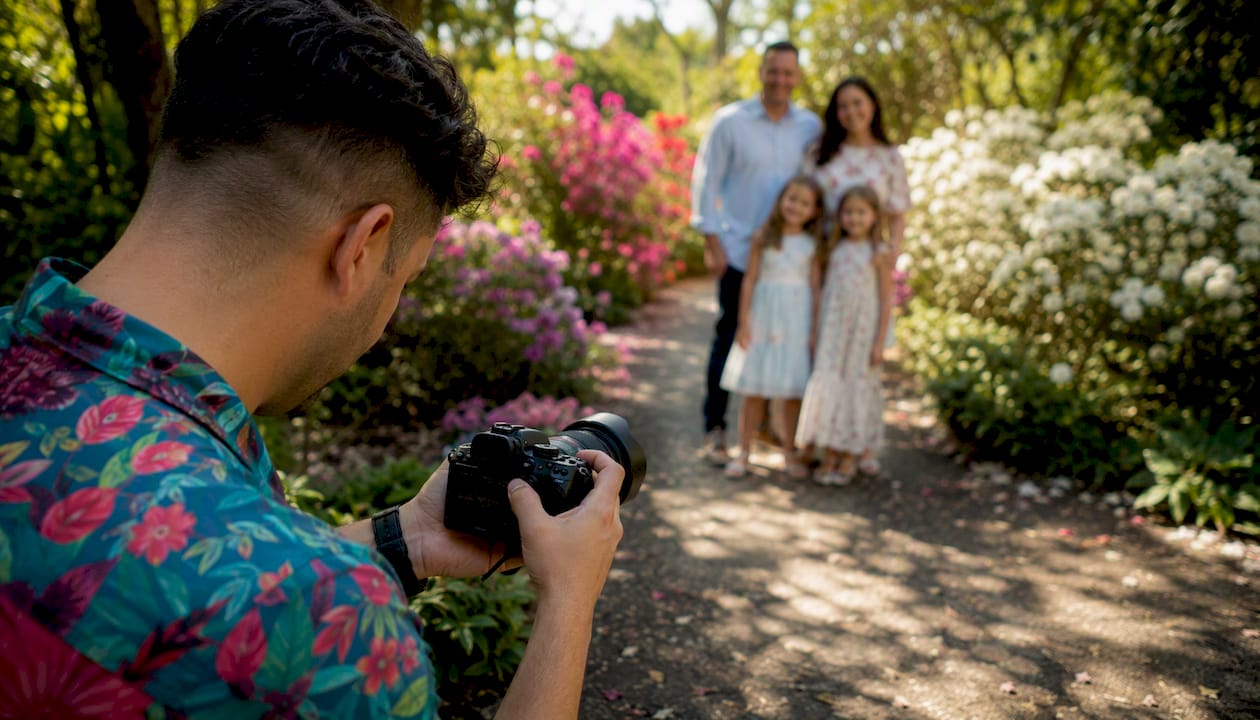
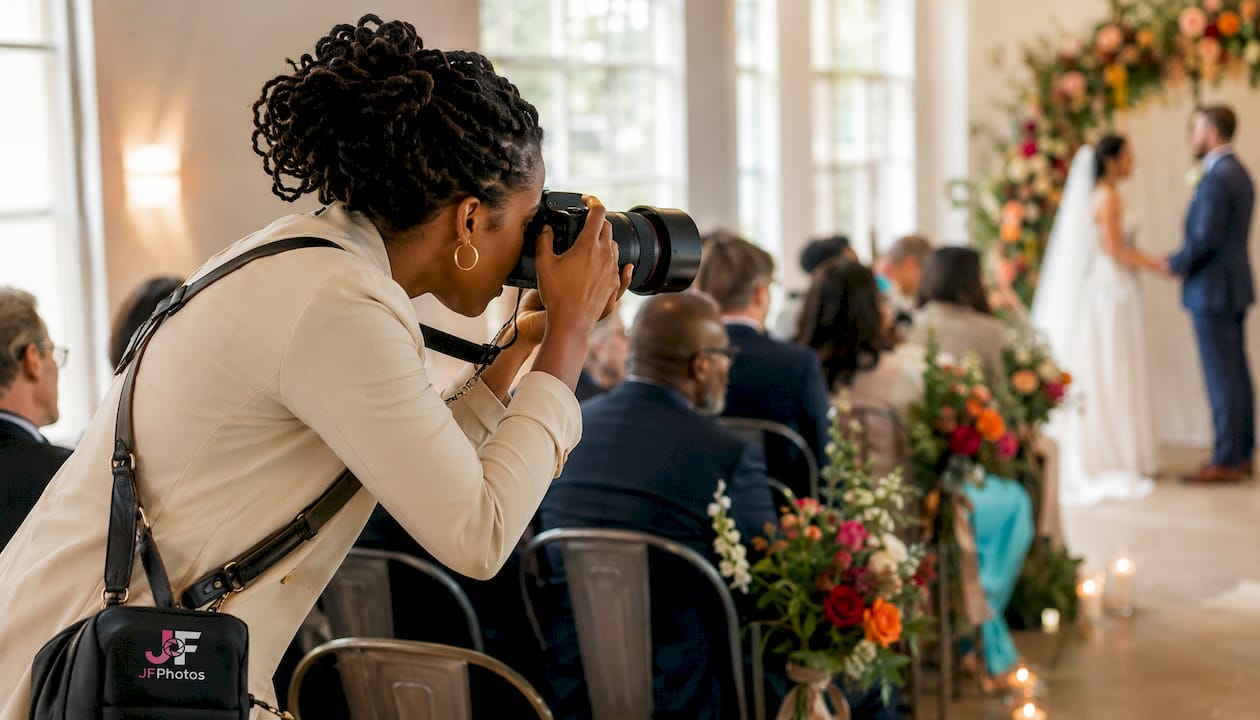
Documentary photography sits toward the observational end. The photographer watches, anticipates, and captures. A first look under this approach means the photographer positions themselves in advance and lets the reaction happen without interference. What you get is the real thing: shaking hands, a sharp intake of breath, tears that weren’t planned.
Photojournalism is the purest form of non-intervention, treating your wedding like a news event. Documentary style is closely related but allows for gentle prompts that encourage natural interaction without staging a moment from scratch. Think of it as photojournalism with a little more warmth.
For most couples, a blended approach makes the most practical sense. A documentary-led wedding with a short portrait window and efficient family formals gives you emotional authenticity for the bulk of the gallery while still covering the images your parents will want framed. Explore the full breakdown of wedding photography styles if you want to compare each approach side by side.
What does documentary wedding photography actually look like?
The gallery you receive from a documentary photographer tells the story of your day from start to finish, not just the highlight reel. Here’s what that typically includes:
- Getting-ready moments: Candid details like hands being steadied, a parent fastening a button, quiet nervous energy before the ceremony begins.
- Ceremony reactions: Tears from a sibling, a grandparent’s proud smile, the groom’s face when you walk down the aisle.
- Parent and family moments: The glances, the quiet pride, the moments that happen in the background while the main event unfolds.
- Speeches: Laughter, tears mid-sentence, the speaker’s nerves, and the crowd’s reactions all at once.
- Candid guest interactions: Friends reconnecting, children wandering into the frame, the small conversations that make a wedding personal.
- Dance floor energy: Movement, joy, and the kind of expressions people only make when they’ve forgotten a camera is in the room.
- Quiet couple exchanges: A hand squeeze, a shared look, a private moment between the two of you that no one else noticed.
The gallery itself is a mix of wide environmental shots that establish atmosphere, mid-range candids that show interaction, and intimate close-ups that convey feeling. A full-day gallery reads like a visual narrative with a beginning, middle, and end.
Pro Tip: A skilled documentary photographer uses anticipation and positioning rather than direction. They read the room, identify where emotion is building, and place themselves before the moment happens. You’ll never see them ask for a repeat.
What are the real pros and cons of documentary wedding photography?
The advantages are significant. Authenticity is the core benefit: your gallery reflects how the day genuinely felt, not a staged version of it. Couples who choose this style consistently say their images capture things they didn’t even know happened, a father standing alone before the ceremony, a glance between two old friends, a laugh that lasted half a second. Those are the images that matter ten years later.
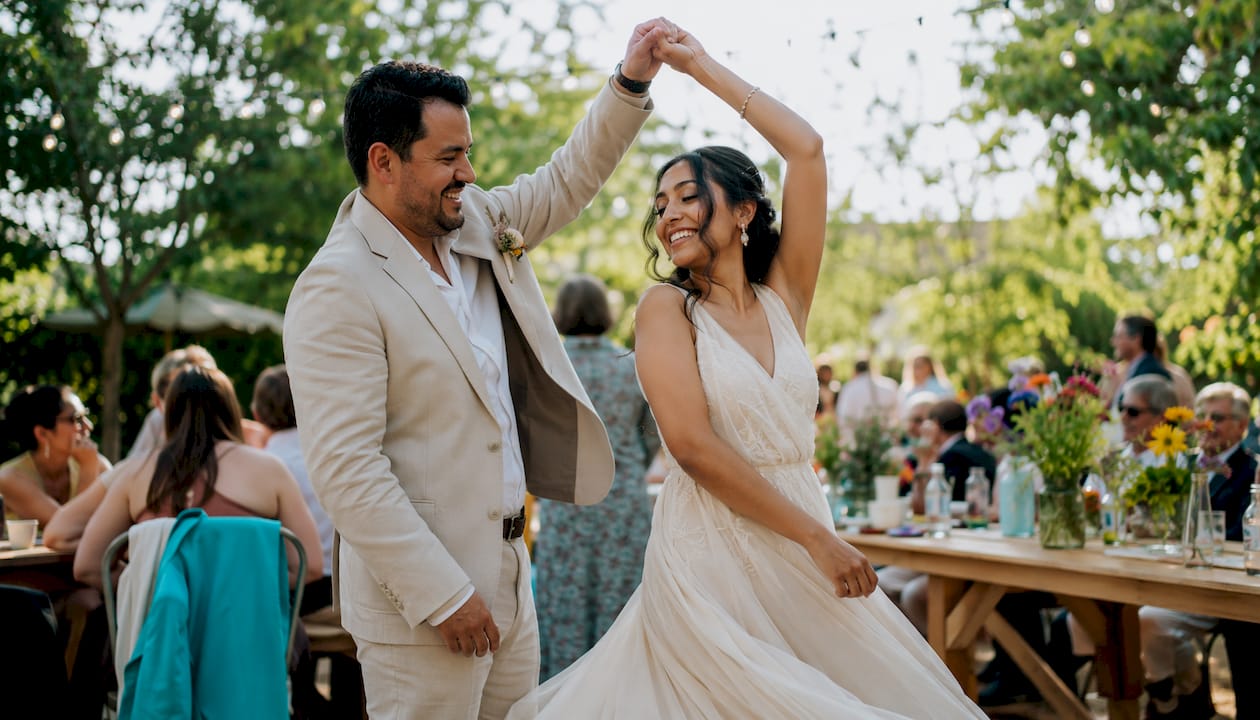
The experience on the day is also more relaxed. You’re not being pulled away from guests repeatedly or asked to hold expressions. You can be fully present, and the photographer does the work of noticing moments rather than creating pressure around them. This is especially true for couples who feel awkward in front of a camera.
The tradeoffs are real but manageable. You’ll receive fewer highly posed portraits, and occasional images may have imperfect lighting or framing because the photographer didn’t stop to arrange the shot. Some couples want more control over how they look in every image, and if that’s your priority, a traditional or editorial approach may suit you better.
Practical mitigation steps:
- Schedule a short portrait window. 20–30 minutes is enough for a handful of couple portraits without disrupting the day’s flow.
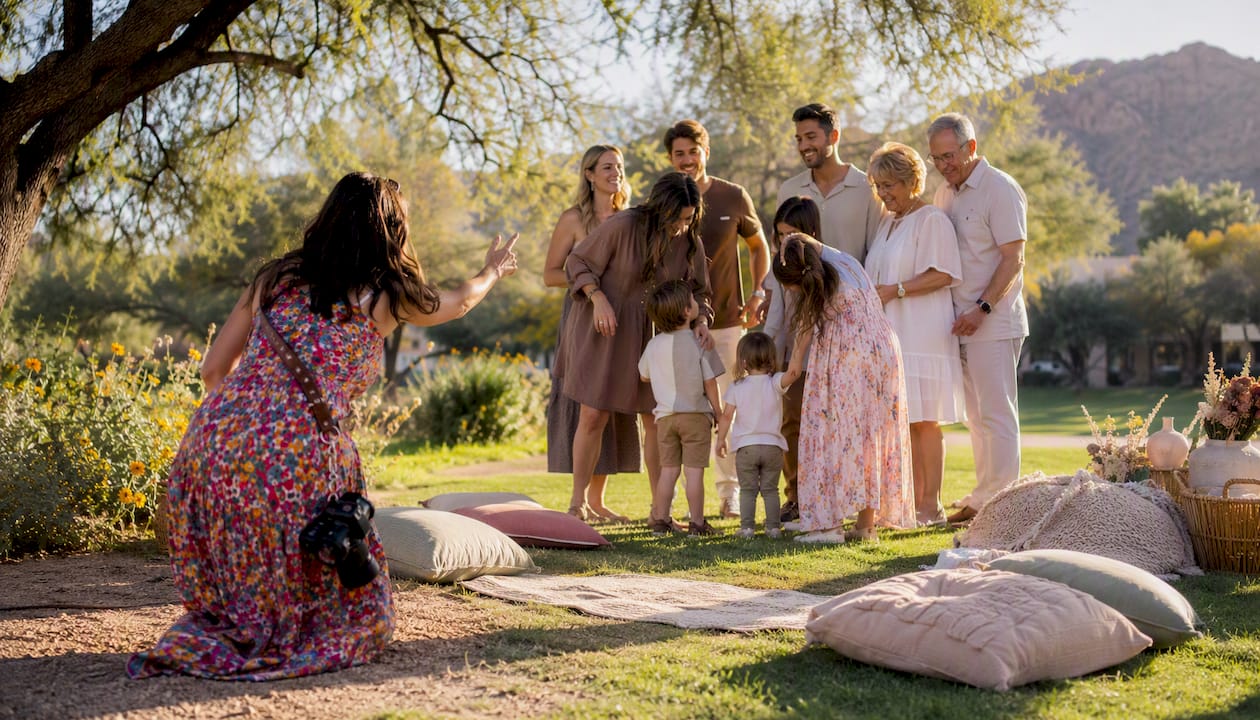
- Plan family formals in advance. Professionals typically complete a family group session in 15–20 minutes when the list is prepared ahead of time.
- Consider a second shooter for larger weddings where simultaneous moments need coverage.
How to choose a documentary wedding photographer
The claim “I shoot documentary style” appears on many photographer websites. Here’s how to verify it.
- Request full wedding galleries, not just hero images. A single dramatic portrait tells you nothing about how a photographer handles an entire day. Ask to see a complete gallery from a recent wedding. Look for variety: wide shots, close-ups, candid interactions, and quiet in-between moments.
- Check for consistent candid coverage. Does the gallery show genuine reactions, or does every image look arranged? Real documentary work includes imperfect expressions, movement, and layered scenes.
- Read how they describe their approach. A photographer’s website should clearly state their philosophy. Vague language like “natural and relaxed” without specifics is a yellow flag.
- Ask directly: how much do you direct? The answer should be “very little, except for family formals and a short portrait session.” Evasive answers about interaction level are a red flag.
- Ask whether they shoot full weddings or highlights. Documentary coverage means being present from getting-ready through the reception, not just the ceremony.
- Ask about image counts. A full-day documentary photographer should be able to give you a realistic range. Vague answers here often mean limited coverage.
- Ask about second shooter availability. For larger weddings, a second photographer captures simultaneous moments the primary photographer physically can’t be in two places to cover.
- Ask about backup gear and contingency plans. A professional should have redundant equipment and a clear plan if something goes wrong.
Red flags: Portfolios made up almost entirely of posed shots, no full galleries available to review, and photographers who can’t clearly explain how much they interact with guests during the day.
For more guidance on evaluating photographers, the how to choose a photographer resource at JFPhotos walks through the key questions in detail.
What to expect for delivery, image counts, and cost
Full-day documentary coverage typically delivers 400–800+ edited images, reflecting the observational approach where very little of the day goes uncaptured.
Turnaround timelines vary by photographer, but a common structure includes a sneak peek of 10–20 images within a few days of the wedding, with the full gallery delivered within 4–8 weeks. Album and print orders typically follow after gallery approval.
Cost drivers for documentary coverage include:
- Hours of coverage: More hours mean more images and a higher fee.
- Second shooter: Adds cost but significantly increases storytelling depth.
- Travel: Destination weddings or venues requiring significant travel carry additional fees.
- Editing style: More intensive post-processing (film emulation, heavy color grading) can affect turnaround and price.
- Album and product add-ons: Printed albums, wall art, and parent albums are typically priced separately.
When comparing quotes, ask for a sample full gallery and a clear list of what’s included. Two packages at the same price can differ significantly in hours, image count, and deliverables. The wedding photography packages guide at JFPhotos explains what to look for in each tier.
How to prepare for your wedding day to get the best documentary photos
Documentary photography works best when the day flows naturally. A little preparation on your end makes a real difference in what gets captured.
- Share your full timeline with your photographer in advance. They need to know when key moments happen so they can position themselves without rushing.
- Provide a brief guest list with important relationships. Note who the photographer should watch for: a grandparent who rarely travels, a sibling who flew in from overseas, a close friend who will be emotional during the ceremony.
- Schedule a dedicated family-formals window. Keep it short and organized. Prepare a printed list of groupings in advance so the session moves quickly and everyone knows where to be.
- Plan logistics that help photographers move. If the ceremony and reception are in different locations, factor in travel time so coverage isn’t rushed.
- Clear sightlines for indoor ceremonies. Tall floral arrangements or obstructive décor can block key moments. A quick conversation with your florist and venue coordinator helps.
- Consider lighting for indoor venues. Venues with very low ambient light may benefit from a brief conversation with your photographer about available light options before the day.
Pro Tip: Before the wedding, give your photographer a short list of five to ten must-capture people and moments. This turns their observational instincts into intentional coverage. They’ll know to watch for your grandmother’s reaction during the vows without you having to signal them on the day.
What your final gallery will look like: editing style and deliverables
The editing approach shapes how your gallery feels as much as the shooting style does. Documentary photographers typically work in one of three looks:
Natural/true-to-life editing preserves accurate colors and skin tones. The images feel clean and timeless, and they hold up well across different printing formats.
Warm cinematic grading adds golden tones, lifted shadows, and a slightly faded quality that evokes a film aesthetic. This style is popular for outdoor and golden-hour coverage.
Candid editorial finishing sits between the two: slightly desaturated, with strong contrast and a journalistic feel. Black-and-white conversions often appear throughout this style, particularly for emotional ceremony moments.
A well-sequenced gallery does more than collect images. It tells the story of your day in order, with a balance of wide establishing shots, mid-range candids, and intimate close-ups. As one approach to documentary editing puts it, editorial shots add structure while documentary shots deliver emotional truth. The sequence and consistent color grading are what turn a collection of candid images into a coherent narrative.
Standard deliverables typically include: full-resolution edited image files, a private online gallery, a downloadable archive, and optional print or album products. Confirm exactly what’s included before booking.
How documentary photographers actually work on your wedding day
Understanding the techniques behind documentary coverage helps you trust the process and get out of your own way.
- Reading the room: A documentary photographer is constantly scanning for where emotion is building, not just where the action currently is. They watch body language, listen for shifts in tone, and anticipate where to stand before a moment happens.
- Wide and long lenses: Wider lenses capture environmental context and layered scenes. Longer lenses let the photographer work from a distance without intruding on private moments. Both are used throughout the day.
- Sequencing coverage: The photographer moves through the day with a narrative arc in mind, covering getting-ready, ceremony, portraits, and reception as connected chapters rather than isolated events.
- Second shooter value: While the primary photographer covers the main event, a second shooter captures simultaneous reactions and parallel moments that enrich the story. During the ceremony, for example, one covers the couple while the other covers family reactions.
- Ethics and consent: Respectful documentary work means staying back during genuinely private moments and handling sensitive situations with discretion. A good photographer knows when to lower the camera.
A pre-wedding consultation is where observational instincts become intentional storytelling. By learning your key relationships, timeline beats, and emotional priorities in advance, the photographer can anticipate moments rather than react to them.
Key Takeaways
Documentary wedding photography is the right choice when you want your gallery to capture how the day felt, not just how it looked, and it works best when you trust your photographer’s instincts over a rigid shot list.
| Point | Details |
|---|---|
| Core definition | Documentary photography captures unscripted moments as they happen, with minimal direction from the photographer. |
| Who it fits best | Couples who want emotional authenticity, a relaxed day, and images that age well, including camera-shy couples. |
| Typical image count | Full-day coverage commonly delivers 400–800+ edited images across the full day. |
| Top consult question | Ask to see a complete full wedding gallery, not just hero shots, to verify the photographer’s true documentary instincts. |
| JFPhotos approach | JFPhotos offers documentary-led wedding coverage in Phoenix, AZ, with fast delivery and full-gallery examples available to review. |
Why documentary wedding photography matters more than most couples realize
Most couples approach this decision thinking about aesthetics: do they want candid or posed? That’s the wrong frame. The real question is what you’ll want from your photos five or ten years from now.
Posed portraits are beautiful, and they have their place. But the images couples return to most, the ones they frame, share, and describe to their children, are almost never the ones where everyone was looking at the camera. They’re the ones where something real was happening. A parent’s face during the first dance. The moment you saw each other for the first time. The friend who couldn’t hold it together during the vows.
Documentary photography is built to catch exactly those moments. The style isn’t about imperfection or randomness. A skilled documentary photographer is working constantly, reading the room, positioning carefully, and editing with intention. The difference is that their effort goes into capturing reality rather than constructing it.
The one thing I’d caution couples against is treating “documentary” as a binary. The best coverage usually blends observational instincts with a short, efficient portrait session. You get the emotional truth of the day and the polished couple shots your family will want. That balance is worth asking about specifically when you interview photographers.
See documentary wedding photography in action with JFPhotos
JFPhotos brings over a decade of experience to documentary-led wedding coverage in Phoenix, AZ, and beyond. The approach is observational first: capturing the real moments, reactions, and atmosphere that make your wedding yours, with fast turnaround and professional editing that keeps the emotional truth of the day intact.
Every package includes full-resolution edited images, a private online gallery, and clear delivery timelines. Second shooter options and album add-ons are available for couples who want deeper coverage or a finished print product. Before you book, ask to see a complete full wedding gallery, not just the highlight shots, to get a true sense of the coverage style.
Ready to see what documentary-led coverage looks like for your wedding? View the wedding photography packages or check availability and book a consult with JFPhotos today.
Useful sources for further reading
- What is documentary wedding photography: a 2026 guide — A detailed breakdown of the style, including typical image counts and how documentary differs from related approaches.
- Documentary photography guide (Zola) — Covers candid editorial techniques, second shooter value, and realistic expectations for family formals within a documentary workflow.
- Documentary vs. editorial wedding photography — Explains the practical differences between the two styles and why blending them often produces the strongest galleries.
- Wedding photography styles explained — An honest, photographer-written guide to how documentary, editorial, and traditional styles differ in practice.
- What to expect from a documentary wedding photographer — A first-person account from an experienced photographer covering techniques, ethics, and how to prepare for a documentary shoot.
- Documentary vs. traditional wedding photography — A clear comparison of both styles with practical advice on choosing the right balance for your wedding.
- Documentary photography (Wikipedia) — Background on the broader documentary photography tradition and its roots in photojournalism.
Recommended
Recent Posts