What Is Intimate Wedding Photography? A 2026 Guide
Intimate wedding photography is defined as a specialized approach to capturing small, personal wedding ceremonies, typically involving the couple and up to 30 guests, with a primary focus on authentic emotion over large-scale event coverage. Unlike traditional wedding photography, this style prioritizes genuine connection, spontaneous moments, and storytelling. The result is a gallery that feels personal, not produced. If you are planning a small ceremony and want photos that actually reflect how the day felt, understanding this approach is the first step.
What is intimate wedding photography and how does it differ?
Intimate wedding photography is not simply “wedding photography with fewer people.” The scale changes everything, from how the photographer moves to what they prioritize in each frame. The industry term most professionals use is “intimate wedding photography,” though you will also hear “micro wedding photography” and “elopement photography” used for the smallest ceremonies.
The clearest way to understand the difference is by guest count and intent:
- Micro weddings: Just the couple, or the couple plus 1–10 guests. Often held outdoors or at a courthouse.
- Intimate weddings: Guest counts ranging from the couple to roughly 30 people. The focus is on intentional experience rather than scale.
- Small weddings: Typically 30–75 guests. Still personal, but require more traditional event coverage.
- Traditional weddings: 75 or more guests, with full vendor teams, formal timelines, and multiple simultaneous events.
The defining characteristic of an intimate wedding is not the number. It is the intention behind it. Couples choose intimate weddings because they want every person in the room to matter. That same philosophy shapes the photography. The photographer is not managing chaos. They are present, patient, and focused on the people in front of them.
Intimate weddings also tend to skip the rigid shot lists that govern large receptions. There is no cocktail hour to cover in one room while the couple portraits happen in another. That simplicity gives the photographer room to capture what actually happens, not just what was planned.
What are the main intimate wedding photography styles?
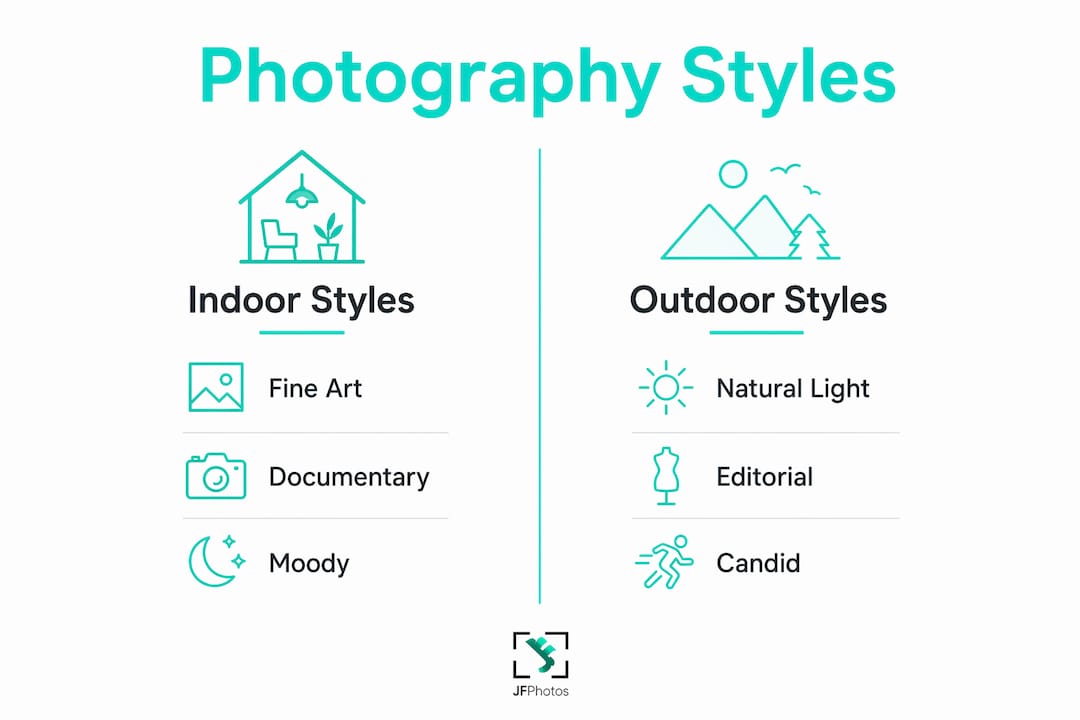
Key photography styles for intimate weddings include reportage, fine art, dark and moody, and bright and airy. Each one produces a distinctly different look and feel, so choosing the right style matters as much as choosing the right photographer.
Here is a breakdown of each approach:
- Reportage (documentary): The photographer observes and captures events as they unfold, with minimal direction. This style works best for couples who want a truthful, unfiltered record of their day.
- Fine art: Clean compositions, soft tones, and deliberate framing. This style suits couples who want their photos to feel like artwork. It works especially well in elegant venues with natural light.
- Dark and moody: Rich shadows, deep contrast, and dramatic tones. This style pairs well with candlelit venues, forest settings, or couples who prefer a cinematic feel.
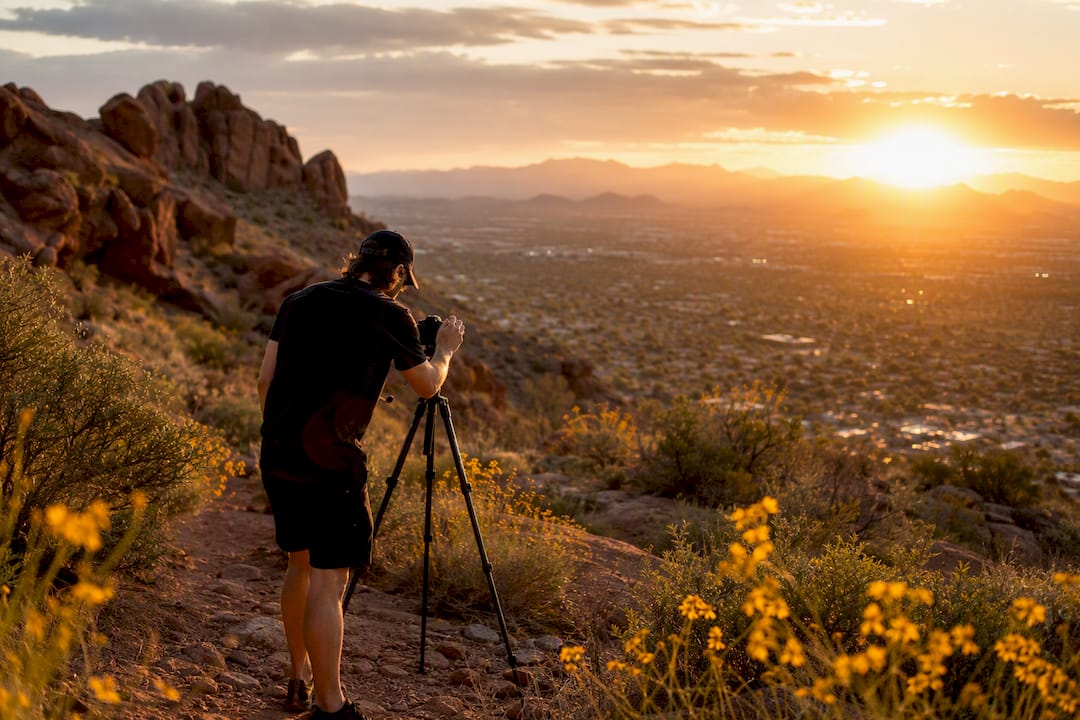
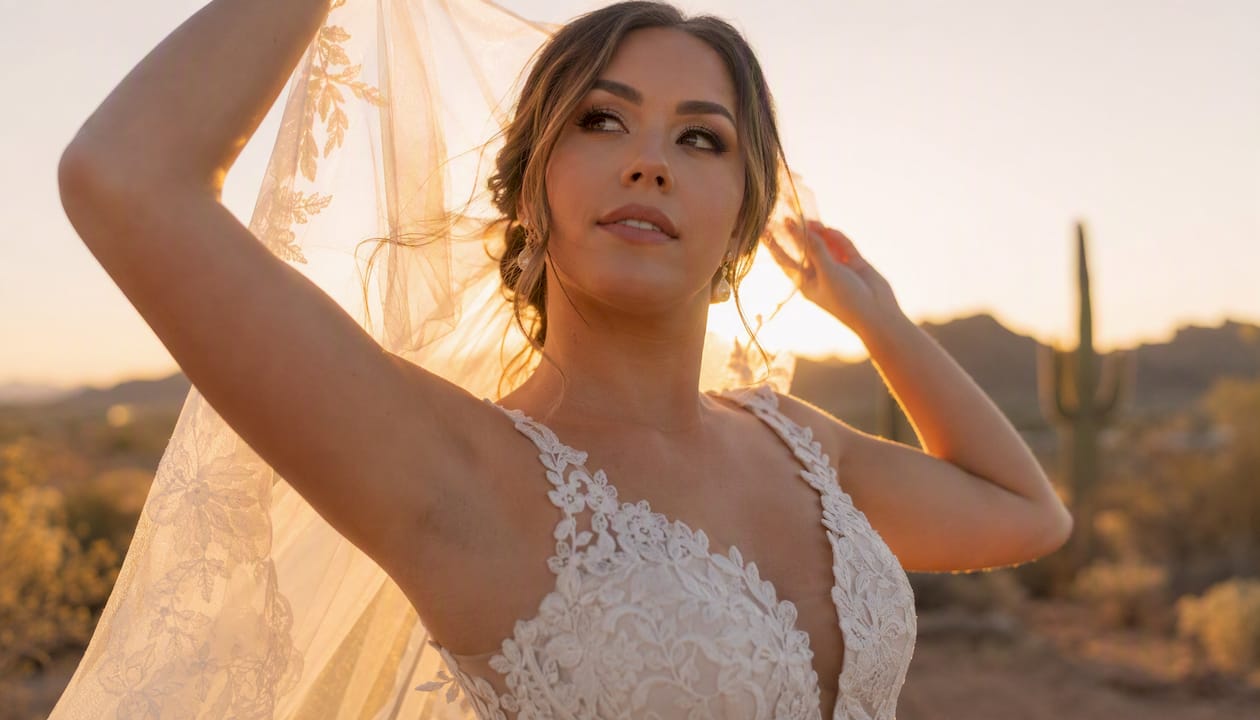
- Bright and airy: Light, soft, and warm. This style thrives in outdoor settings and suits couples who want a fresh, romantic look. Arizona’s desert light makes it a natural fit for this approach.
Matching your style to your venue is not optional. A dark and moody photographer shooting a sun-drenched outdoor ceremony will fight the light all day. A bright and airy photographer in a dimly lit chapel will struggle to deliver consistent results. When you review a photographer’s portfolio, look at where they shot, not just how the images look.
Pro Tip: Use the “3-second test” when browsing portfolios. Open an image and notice your gut reaction in the first three seconds. If you feel something, that style resonates with you. If you feel nothing, keep looking. Couples who trust their gut when selecting a style end up happier with their final gallery.
You can also explore a detailed breakdown of each approach in this wedding photography styles guide from JFPhotos.
How do intimate wedding photography logistics differ?
The logistics of photographing an intimate wedding look very different from a traditional wedding day. Coverage typically runs between 2 and 8 hours, depending on the ceremony length and whether the couple wants portraits before or after. That range is wide by design. A courthouse elopement may need only 2 hours. A full-day intimate celebration at a vineyard may need 6 or more.
One of the biggest differences is portrait time. At a large wedding, couple portraits often get squeezed into 20–30 minutes between the ceremony and reception. At an intimate wedding, portrait sessions run 60–90 minutes. That extra time produces more relaxed, natural images because the couple is not rushing.
| Coverage element | Traditional wedding | Intimate wedding |
|---|---|---|
| Total coverage | 8–12 hours | 2–8 hours |
| Couple portrait time | 20–30 minutes | 60–90 minutes |
| Group shots | Many, complex | Few or none |
| Second shooter | Often required | Usually not needed |
| Gallery delivery | 6–12 weeks | Often within 14 days |
One skilled photographer can usually cover an intimate wedding fully without a second shooter. That is a meaningful cost saving. With fewer simultaneous events to cover, a single experienced photographer captures everything without missing key moments.
Post-production is also faster. Specialist photographers who focus on intimate weddings often deliver galleries within 14 days. That turnaround is possible because the gallery contains fewer images to edit and the editing style is already consistent.
Pro Tip: When planning your timeline, build in buffer time around your portrait session. Wind, light changes, and spontaneous moments all take time. A relaxed schedule produces better photos than a tight one.
To understand what packages typically include for intimate coverage, the wedding photography packages guide from JFPhotos breaks it down clearly.
Why do couples choose intimate wedding photography?
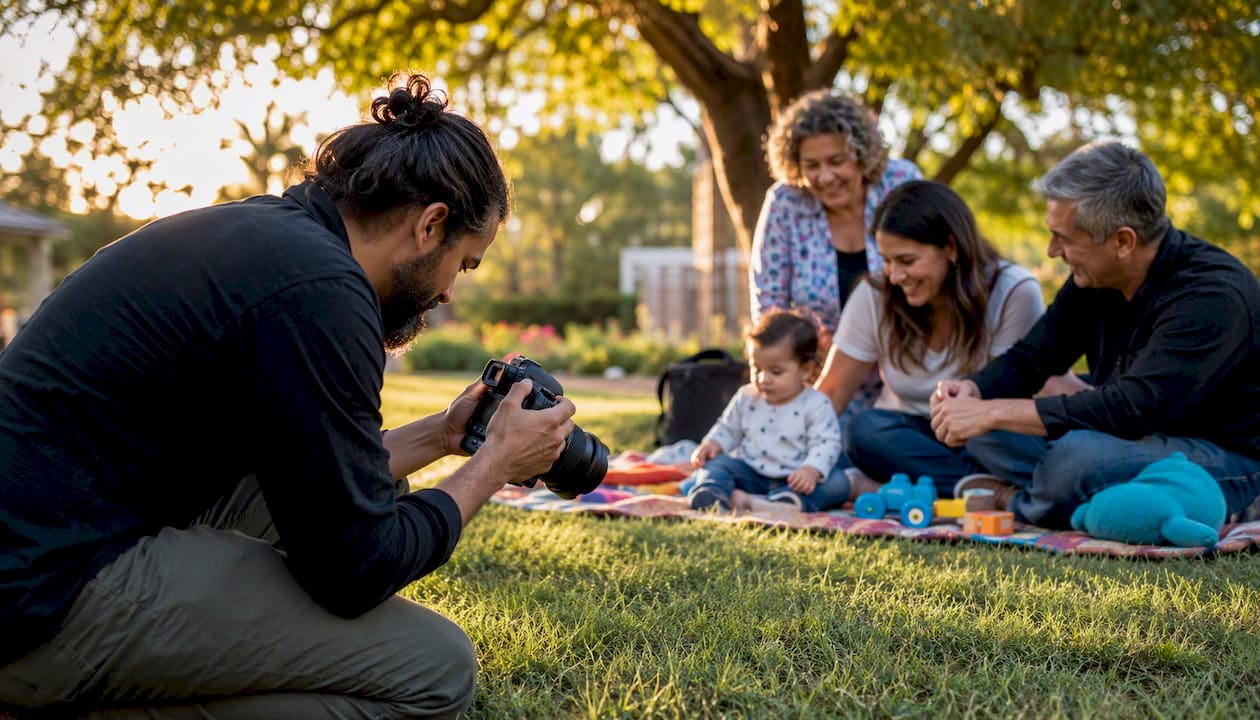
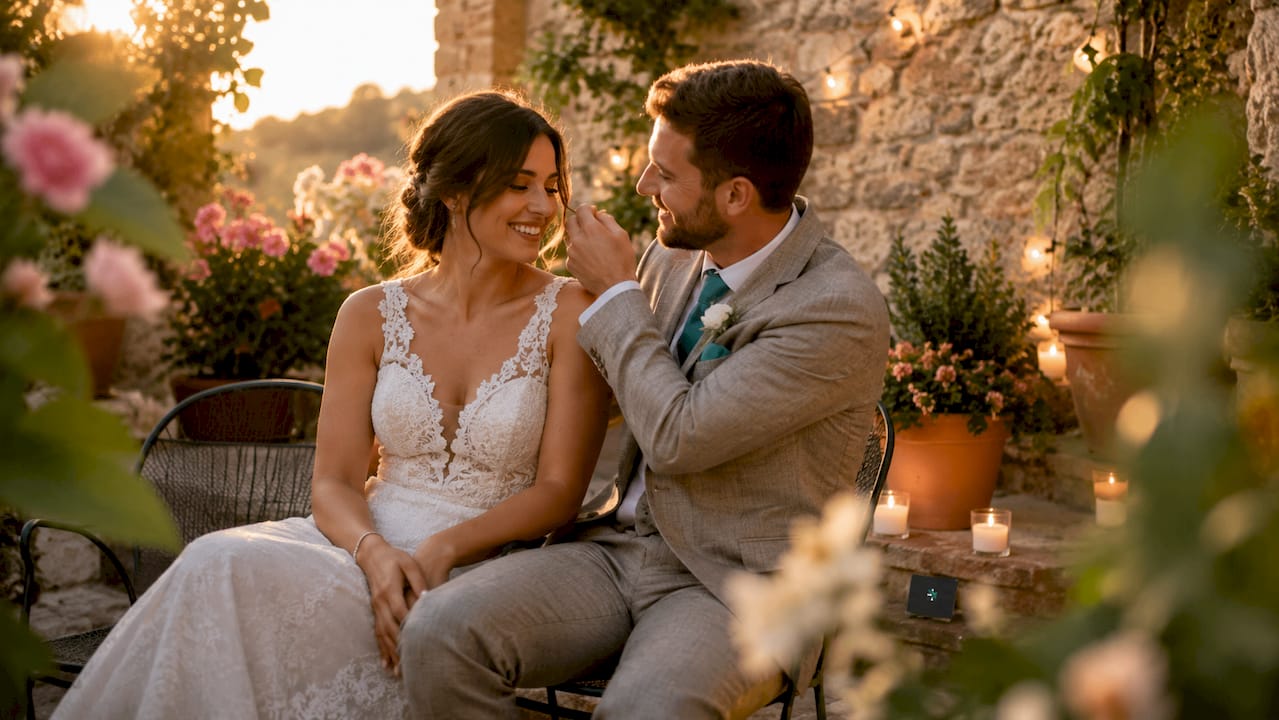
The emotional case for intimate wedding photography is straightforward. When fewer people are present, the moments that matter most are easier to see and capture. A nervous laugh before the vows. A quiet glance between the couple during the first dance. A parent wiping away a tear. These spontaneous, unguarded moments are what intimate wedding photography captures best.
“The goal in intimate wedding photography is truth over perfection. The best photos capture genuine presence, not staged poses or perfectly arranged hair. When couples stop performing for the camera and start living the moment, that is when the real images happen.” — Intimate wedding photography insight
Couples also report a more relaxed experience on the day itself. Without a 200-person guest list to manage, there is no pressure to work the room or stick to a rigid schedule. You can linger over your vows, take a long walk for portraits, and actually eat your dinner. That relaxed energy shows up in the photos.
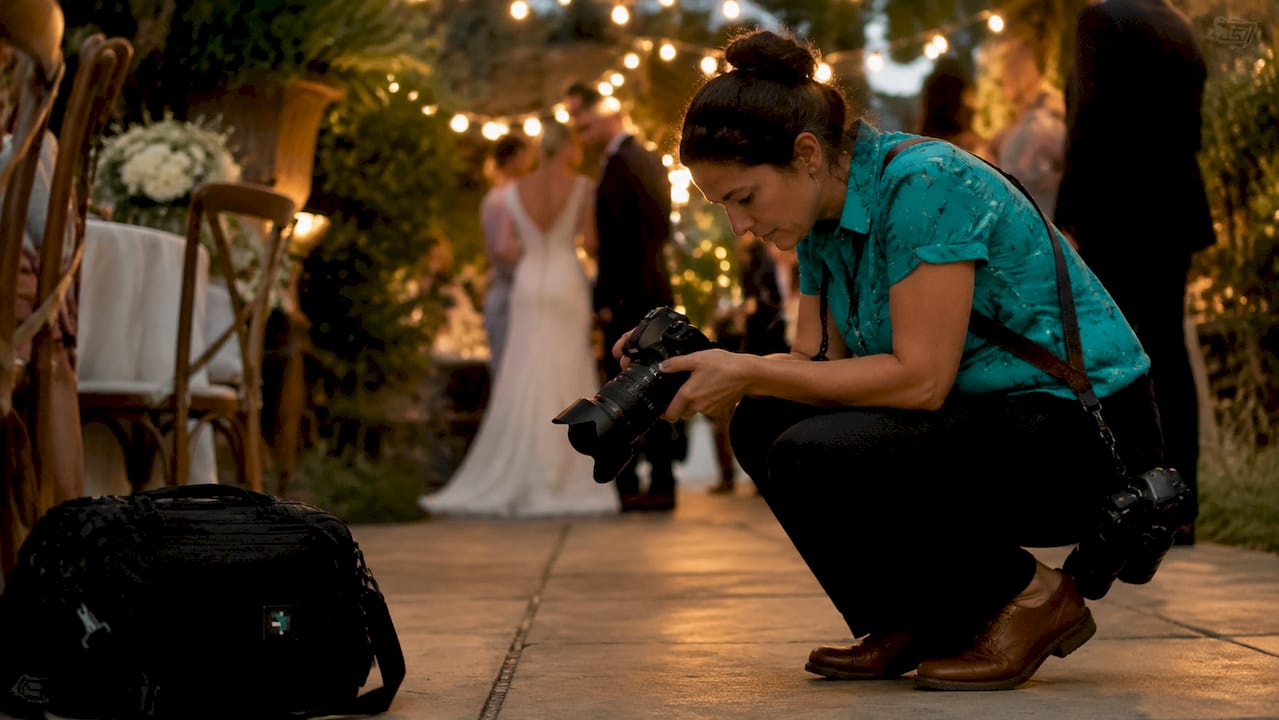
The photographer’s role shifts too. Rather than directing a crowd, a good intimate wedding photographer acts as a guide and observer, helping couples feel at ease while staying ready to capture what unfolds naturally. That combination of presence and patience is what separates a good intimate wedding gallery from a great one.
You can also use a wedding budget tracker to plan your photography investment alongside other vendor costs, which helps you allocate budget without surprises.
How do you choose the right intimate wedding photographer?
Choosing a photographer for an intimate wedding requires a different checklist than hiring for a large event. The criteria that matter most are experience with small ceremonies, style consistency, and personal connection.
Start with these steps:
- Review full galleries, not just highlights. Request 2–3 complete, uncurated wedding galleries from potential photographers. Hero shots are curated to impress. Full galleries show you how a photographer handles the quiet moments, the transitions, and the less-than-perfect lighting.
- Match experience to your scale. Photographers who limit bookings to 15–20 intimate weddings per year tend to deliver higher quality for these personalized events. Ask how many intimate weddings they shoot annually.
- Ask about second shooters. For most intimate weddings, a second shooter is unnecessary. If a photographer insists on one, ask why. It may signal they are not confident covering a small event solo.
- Assess the personal connection. You will spend several hours with this person on one of the most personal days of your life. If the consultation feels transactional, that energy will show up in your photos.
- Confirm their editing style is consistent. Ask to see galleries from different venues and lighting conditions. A photographer whose style holds up across varied settings is one you can trust.
Pro Tip: Schedule a short video call before booking. How a photographer listens and responds tells you more about their working style than any portfolio can.
Key Takeaways
Intimate wedding photography delivers the most authentic results when the photographer, style, and coverage plan are matched specifically to a small-scale ceremony.
| Point | Details |
|---|---|
| Guest count defines the approach | Intimate weddings involve up to 30 guests, which shapes every photography decision. |
| Style must match the venue | Reportage, fine art, dark and moody, and bright and airy each suit different lighting and settings. |
| Coverage runs 2–8 hours | Portrait sessions of 60–90 minutes are standard and produce more natural results than rushed timelines. |
| One photographer is usually enough | A single experienced photographer can cover an intimate wedding fully without a second shooter. |
| Trust and connection matter | The photographer-couple relationship directly affects how authentic and relaxed the final images feel. |
What I’ve learned from shooting intimate weddings
After years of photographing weddings across Arizona, the intimate ones stay with me longest. Not because they are easier, but because the stakes feel higher in a different way. At a large wedding, a missed shot gets buried in 800 others. At an intimate wedding, every frame counts.
The biggest mistake I see couples make is treating an intimate wedding shoot like a scaled-down version of a big wedding. It is not. The pacing is slower, the moments are quieter, and the photographer needs to be fully present rather than constantly moving. Patience is the skill that matters most, not speed.
What makes these shoots rewarding is exactly what makes them challenging. You cannot hide behind a busy schedule or a long shot list. You have to earn the real moments by building trust with the couple, reading the room, and knowing when to step back. When it works, the photos feel less like documentation and more like memory.
My honest advice: prioritize connection over credentials when choosing your photographer. A technically skilled photographer who makes you feel uncomfortable will produce technically skilled photos that feel cold. A photographer you trust will capture something true.
— Justin
Intimate wedding photography with JFPhotos
JFPhotos specializes in wedding photography for couples who want authentic, personal coverage tailored to their ceremony size and vision.
Whether you are planning a desert elopement, a backyard ceremony, or a small venue celebration in Phoenix, JFPhotos offers flexible coverage built for intimate weddings. With over a decade of experience photographing Arizona’s diverse settings, the team delivers galleries that reflect how your day actually felt. Explore intimate wedding packages designed for smaller ceremonies, or visit the JFPhotos wedding photography page to view the full portfolio and book a consultation.
FAQ
What is intimate wedding photography?
Intimate wedding photography is a specialized approach to documenting small ceremonies, typically with up to 30 guests, focusing on authentic emotion and candid moments rather than large-scale event coverage.
How many hours of coverage do I need for an intimate wedding?
Coverage for intimate weddings typically runs between 2 and 8 hours. Most couples find that 4–6 hours covers the ceremony, portraits, and key reception moments comfortably.
Do I need a second photographer for an intimate wedding?
A second photographer is usually not necessary for intimate weddings. One experienced photographer can cover the full event without missing key moments, which also reduces your overall cost.
What photography style works best for intimate weddings?
The best style depends on your venue and personality. Reportage suits couples who want a truthful, unposed record. Fine art and bright and airy work well in natural light. Dark and moody suits dramatic or candlelit settings.
How soon will I receive my photos after an intimate wedding?
Photographers who specialize in intimate weddings often deliver galleries within 14 days. That faster turnaround is possible because smaller events produce fewer images to edit and the editing style is already consistent.