Share this article

Event vs. Editorial Photography: What Arizona Couples Need to Know

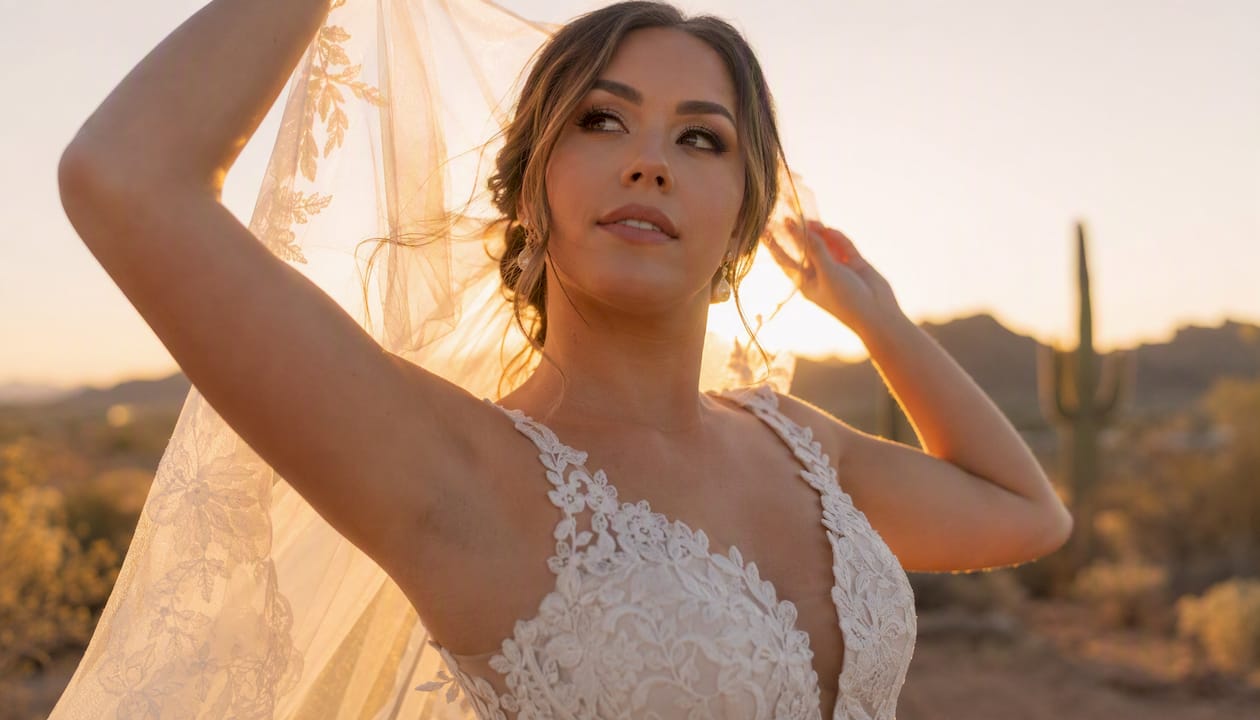
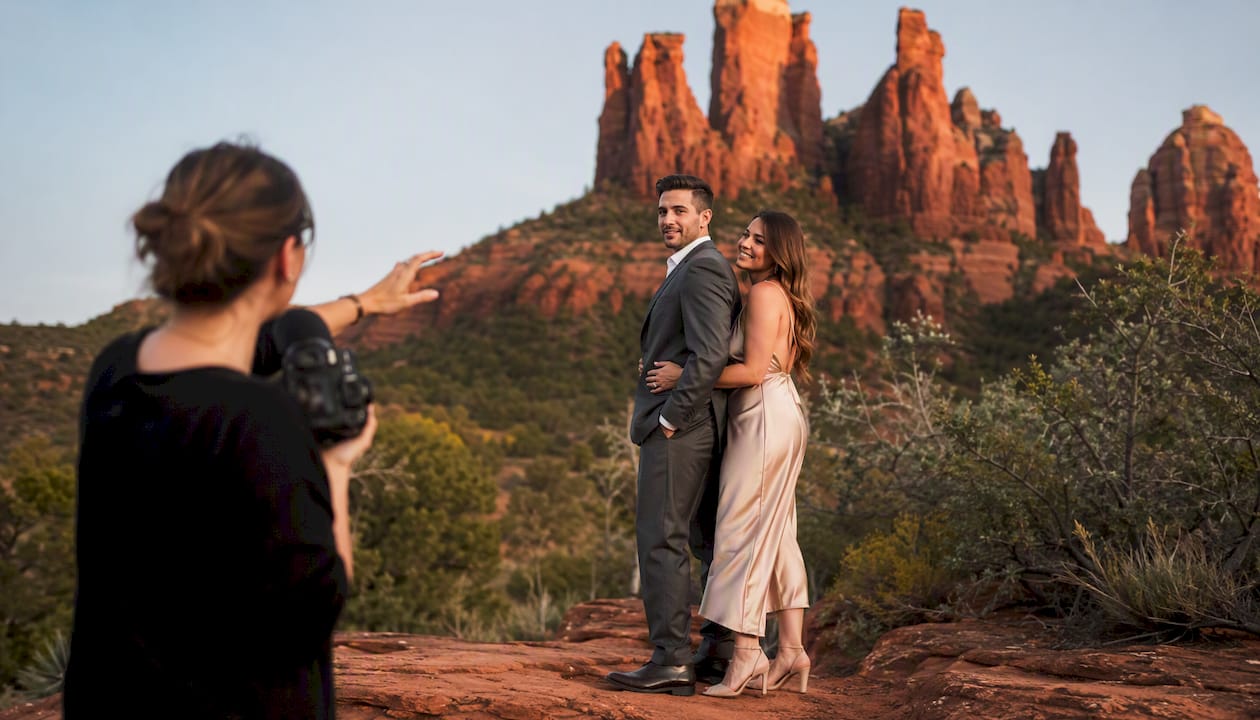
Editorial-style event photography creates fashion-forward, magazine-look images through art-directed posing, controlled lighting, and deliberate composition. Event photography documents moments with minimal direction, prioritizing authentic, real-time coverage. Knowing the difference between event and editorial photography shapes your timeline, budget, and what your final gallery actually looks like.

Here is what each approach delivers:

  • Editorial-style photography produces images that look like they belong in Vogue or Martha Stewart Weddings : sculpted light, intentional posing, and fashion-led framing. This is the style JFPhotos, with over a decade of Arizona studio experience, applies to weddings, portraits, and commercial sessions.
  • Event (documentary) photography captures the day as it unfolds: candid laughter, spontaneous moments, and real emotion with little to no posing.
  • Hybrid coverage blends both, which The Knot describes as “editorial photojournalism” — candid coverage with short, art-directed portrait windows.

The term “editorial” here means fashion-inspired, magazine-look imagery created for your personal use. It does not mean photography commissioned for a magazine article.

Key Takeaways

Editorial-style event photography requires art direction, controlled light, and dedicated portrait time; event (documentary) photography captures authentic moments with minimal direction, and most Arizona couples benefit from a hybrid of both.

Point Details
Editorial vs. event defined Editorial = fashion-led, art-directed; event = documentary, candid, moment-driven.
Time commitment Editorial portraits need 30–90 minutes of dedicated, scheduled time in your day.
Price and turnaround Editorial retouching takes longer (4–8 weeks) and costs more than lighter event edits.
Portfolio evaluation Always request a full gallery review; consistency across the whole event is the real proof.
JFPhotos approach JFPhotos blends editorial craft with documentary coverage for Arizona weddings and events.

Table of Contents

What do “editorial” and “event” photography actually mean?

Editorial-style event photography treats your wedding or event as a creative project. The photographer gives direction, shapes the light, and composes each frame with fashion posing and narrative intent. Vogue notes that this approach produces magazine-grade images through intentional composition and controlled lighting. Outcomes include hero couple portraits, styled detail shots, and cinematic sequences.

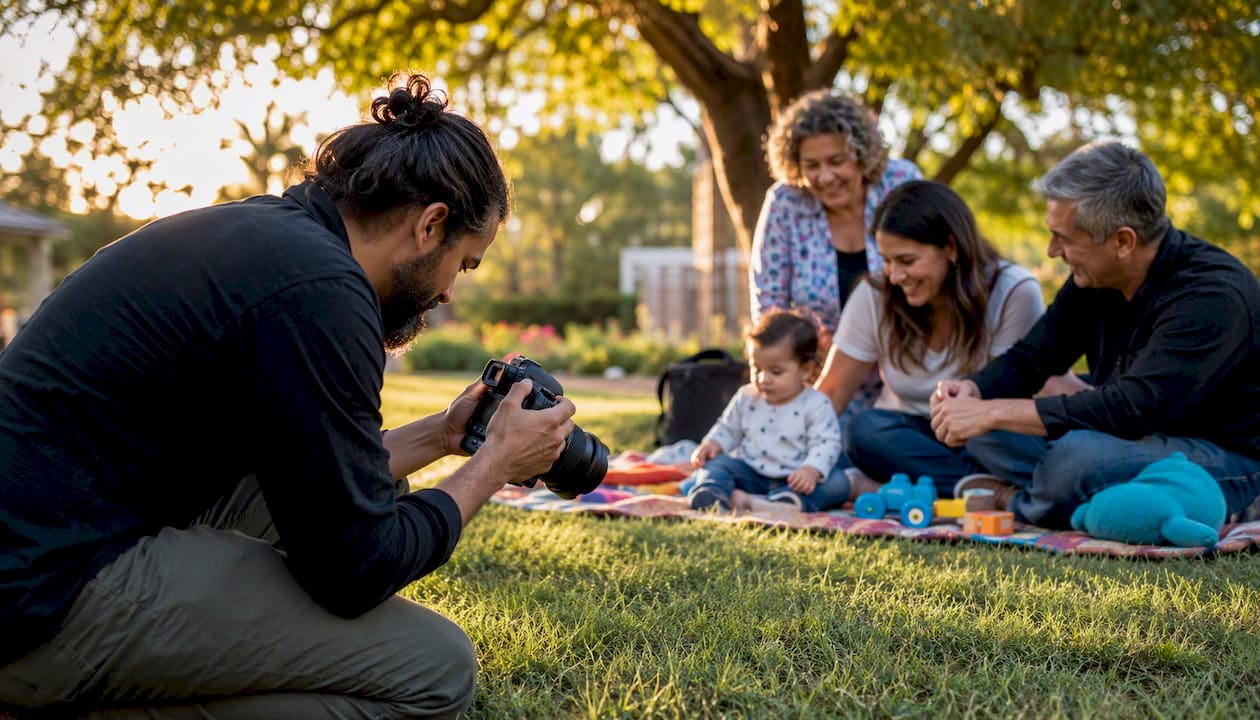
Event (documentary) photography is observation-first. The photographer anticipates moments rather than creating them. You get candid guest interactions, ceremony highlights, and reception storytelling with minimal interruption to the day’s flow.

“Editorial photographers are considered the most technical within the wedding industry, focusing heavily on light, posing, and environmental control compared to purely documentarian approaches.” — The Knot

Most photographers, including JFPhotos, work across both modes. A typical wedding gallery contains mostly documentary coverage of the day with a focused editorial portrait window for magazine-look images you will frame and print.

How do the two styles look different in your photos?

The visual gap between the two approaches comes down to four technical decisions.

  • Editing and color: — Editorial images often feature trend-driven color grading, heavier retouching, and a polished, high-fashion finish. Vogue points out that this editing style can trend quickly, so discuss longevity preferences with your photographer. Event edits prioritize narrative consistency and natural color.

Pro Tip: Ask your photographer to show you a full gallery from a real wedding, not just hero images. Lighting consistency across six or more hours is the clearest proof of editorial skill in real conditions. Hevesi Journal identifies this full-gallery review as one of the eight hallmarks of a true editorial photographer.

How does your style choice affect planning and the day itself?

Editorial portraits require time and space. A focused editorial session typically runs a moderate timeframe and works best when scheduled around a specific lighting window. Event coverage flows with the day and needs no dedicated pause.

Timeline example for a hybrid wedding day:

  1. Getting-ready coverage (documentary)
  2. First look or pre-ceremony portraits (editorial, 20–30 minutes)
  3. Ceremony (documentary)
  4. Cocktail hour candids (documentary) + styled couple portraits (editorial, 30–45 minutes, golden hour)
  5. Reception coverage (documentary)

Day-of checklist for editorial portraits:

  • Identify your venue’s best natural light windows (north-facing rooms, shaded courtyards, open fields)
  • Coordinate with your planner to pause vendor activity during portrait time
  • Steam the dress and press the suit before the shoot, not after
  • Remove background clutter from portrait locations in advance
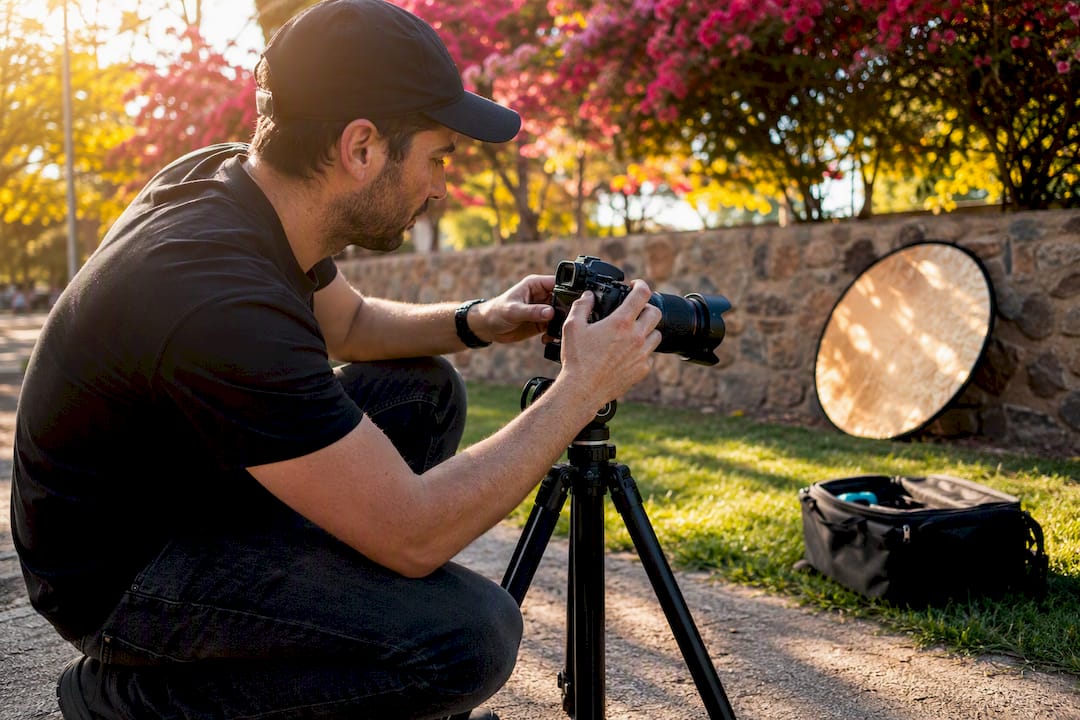
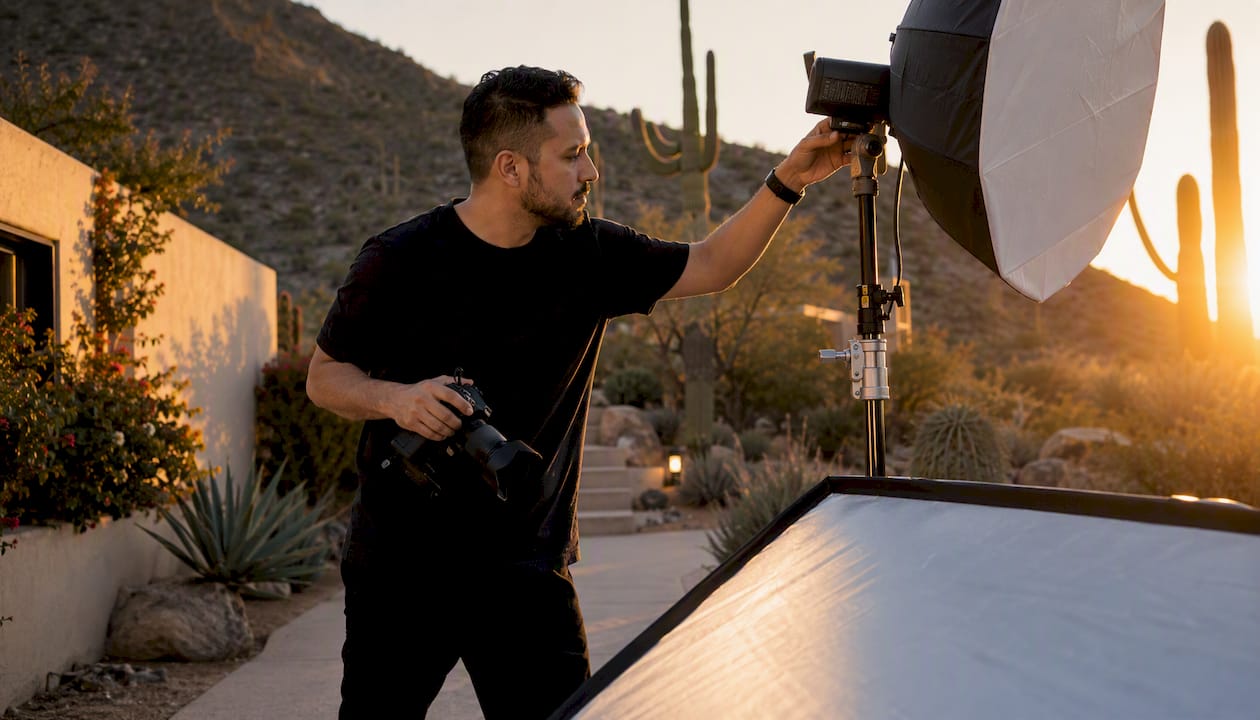
  • Confirm your photographer’s lighting setup needs (power outlets, reflector space)

For event coverage, protect candid moments by keeping the schedule loose enough for unscripted interaction. See JFPhotos’s event coverage guide for sample timelines and coverage-hour recommendations.

When should you choose editorial, event, or a hybrid approach?

Your goal determines the ratio.

  • Choose a hybrid for most weddings and corporate events. You get the best of both: authentic moments plus a handful of magazine-look portraits. For candid wedding coverage blended with editorial portraits, a 70/30 documentary-to-editorial ratio is a practical starting point.

Pro Tip: Tell your photographer the three images you most want to hang on your wall. Those answers reveal whether you lean editorial or documentary, and they give the photographer a concrete creative target.

Use-case quick guide:

How do you brief a photographer and evaluate their portfolio?

Start with images, not words. Vogue advises showing photographers portfolio examples and describing the feelings you want the photos to evoke, rather than trying to define a style in technical terms.

Questions to ask every photographer:

  1. Can I see a full gallery from a recent wedding or event, start to finish?
  2. How much time do you need for editorial portraits, and where do you place them in the day?
  3. How do you direct subjects who have never modeled?
  4. What is your editing turnaround, and how many rounds of retouching are included?
  5. Do you bring an assistant or second shooter for editorial setups?

Brief template — include these details when you inquire:

  • Date, venue, and approximate guest count
  • Desired mood (three reference images work better than a paragraph)
  • Must-have shots (first kiss, family formals, specific details)
  • Degree of direction you want (fully posed vs. mostly candid)
  • Delivery timeline and format preferences

JFPhotos’s photographer selection guide walks through this checklist in detail. For creative shot ideas to share with your photographer as reference, that partner resource is worth bookmarking before your inquiry call.

How does your style choice affect price and deliverables?

Editorial-style shooting costs more because it requires more time, often a second shooter or lighting assistant, and heavier post-production. One factor is that editorial portrait sessions add additional time to total coverage.

  • Crew: Controlled lighting setups often need an assistant; documentary coverage typically does not.
  • Retouching: Editorial images involve skin retouching, color grading, and detail cleanup. Documentary edits are lighter and faster.
  • Turnaround: Expect 4–8 weeks for a fully retouched editorial gallery versus 2–4 weeks for lighter event coverage. Confirm the exact timeline in your contract.

Deliverables to confirm before signing:

  • Total number of final edited images
  • Retouching level (basic color correction vs. full skin retouching)
  • Number of revision rounds included
  • File format and resolution (print-ready vs. web-only)
  • Delivery method and gallery access duration

See the JFPhotos wedding photography packages guide for a detailed breakdown of what each coverage tier includes.

What does a practical shot list and schedule look like?

Editorial shot list

  1. Hero couple portrait (controlled light, fashion posing)
  2. Detail shots: rings, florals, dress texture, venue architecture
  3. Styled couple moments: walking, looking away, interacting naturally
  4. Bridal or groom solo portrait
  5. Wedding party editorial group shot

Documentary shot list

  1. Getting-ready candids (both sides)
  2. Ceremony processional and vows
  3. First kiss and recessional
  4. Candid guest interactions during cocktail hour
  5. Reception toasts, first dance, and open floor moments

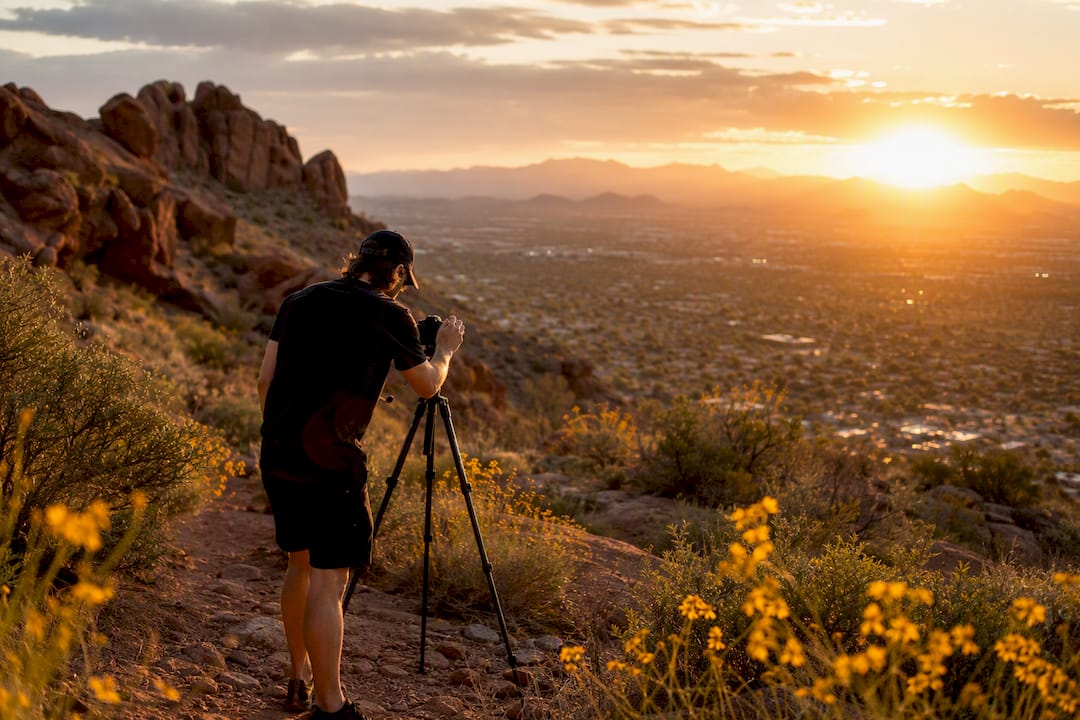
Arizona-specific timing note: Golden hour in Phoenix runs roughly 30–45 minutes before sunset. Scheduling your editorial portrait window to start 60 minutes before sunset gives you the warm, directional light that makes fashion-forward portraits look their best. Avoid midday sun for outdoor editorial work — harsh overhead light flattens faces and creates unflattering shadows.

How do you spot real editorial skill in a photographer’s portfolio?

  • Full-gallery reviews: Request at least one complete wedding or event gallery, not a curated highlights reel. Consistency across six or more hours is the real test, as Hevesi Journal confirms.
  • Lighting consistency: Editorial skill shows in how light behaves across different rooms, times of day, and weather conditions.
  • On-location directional work: Look for evidence the photographer shaped the environment: used architectural lines, positioned subjects relative to light sources, and varied posing across the gallery.
  • Skin tone variety: A strong editorial portfolio shows flattering results across multiple skin tones and lighting setups, not just one.

Red flags to watch for:

  • Only single hero images with no full-event galleries available
  • Trend-only color grades that look dated after two years
  • Missing family formal or group shot competency
  • No evidence of candid coverage alongside editorial portraits

The case for not over-complicating your style decision

Couples spend a lot of energy trying to label their photography style before they have even seen a full gallery from a photographer. The label matters less than the outcome. What actually determines whether you get magazine-look portraits is whether your photographer has scheduled enough time for them, knows how to shape light on location, and can coach you to look natural in front of a camera without making you feel like you are at a modeling audition.

The hybrid approach works for most people precisely because it does not force a choice. You get the candid moments you will show your kids someday and the framed portrait you will hang above the fireplace. The ratio is adjustable. The key is telling your photographer which of those two outcomes matters more to you before the day, not after.

Arizona’s light is genuinely one of the best tools a photographer has. Golden hour here is long, warm, and directional in a way that makes editorial portraits look expensive without requiring expensive gear. A photographer who knows how to use that window, and who builds it into your timeline deliberately, will deliver images that look planned without feeling staged.

JFPhotos covers editorial and event photography across Arizona

JFPhotos brings over a decade of Arizona studio experience to weddings, events, portraits, and commercial shoots across Phoenix and beyond. Whether you want a fully art-directed editorial session, documentary-forward event coverage, or a hybrid that gives you both, the studio tailors every shoot to your specific venue, timeline, and vision.

When you reach out, share your date, venue, and three reference images that show the mood you are after. That single step cuts the briefing process in half and helps JFPhotos match the right approach to your day. View the full wedding photography services page to see portfolio examples, package options, and availability for your date. For corporate and social events, the Phoenix event photography page covers coverage options and booking details.

Further reading and studio resources

Always ask to review full galleries before booking. A photographer’s best single image tells you their ceiling; a full six-hour gallery tells you their floor.

Recommended

Recent Posts

By Justin Frazier August 7, 2026
Discover why coordinated outfits improve family photos. Create visual harmony and capture genuine connections with these simple steps for timeless portraits.
By Justin Frazier August 6, 2026
Discover what is a styled wedding shoot and how it can inspire your wedding planning. Learn to use these stunning images to shape your vision!
By Justin Frazier August 5, 2026
Discover the best same-day event photo delivery services for your next occasion. Get professional quality photos fast with JFPhotos!
By Justin Frazier August 5, 2026
Discover the best same-day event photo delivery services for your next occasion. Get professional quality photos fast with JFPhotos!
By Justin Frazier August 4, 2026
Discover essential team photo session best practices. Plan ahead, assign a coordinator, and ensure a flawless photo day for your HR team!
By Justin Frazier August 3, 2026
Looking for skilled photographers in Phoenix? Discover local experts like JFPhotos for weddings, portraits, and more. Explore their portfolio today!
By Justin Frazier August 2, 2026
Learn how to hire a professional product photographer. Discover key tips for choosing the right fit and ensuring a smooth process.
By Justin Frazier August 2, 2026
Learn how to hire a professional product photographer. Discover key tips for choosing the right fit and ensuring a smooth process.
By Justin Frazier August 1, 2026
Discover the best deamorphotography.com alternatives for 2026. Explore trusted options like JFPhotos for your photography needs in Phoenix.
By Justin Frazier August 1, 2026
Discover the best deamorphotography.com alternatives for 2026. Explore trusted options like JFPhotos for your photography needs in Phoenix.
Show More