The Role of a Second Photographer at Weddings
A second photographer, also called a second shooter, is a fully equipped professional who works alongside your lead photographer to capture your wedding from multiple angles and perspectives at the same time. This is not a backup plan or a luxury add-on. For most weddings, it is the difference between a gallery that tells your complete story and one that tells only part of it.
What does a second wedding photographer actually do?
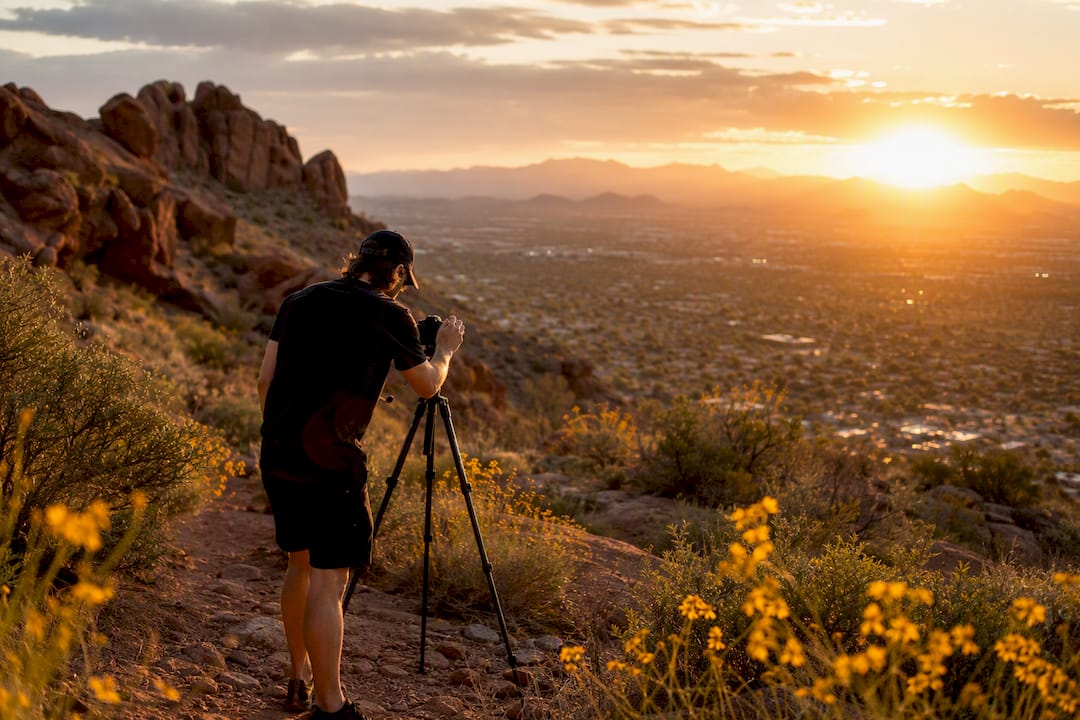
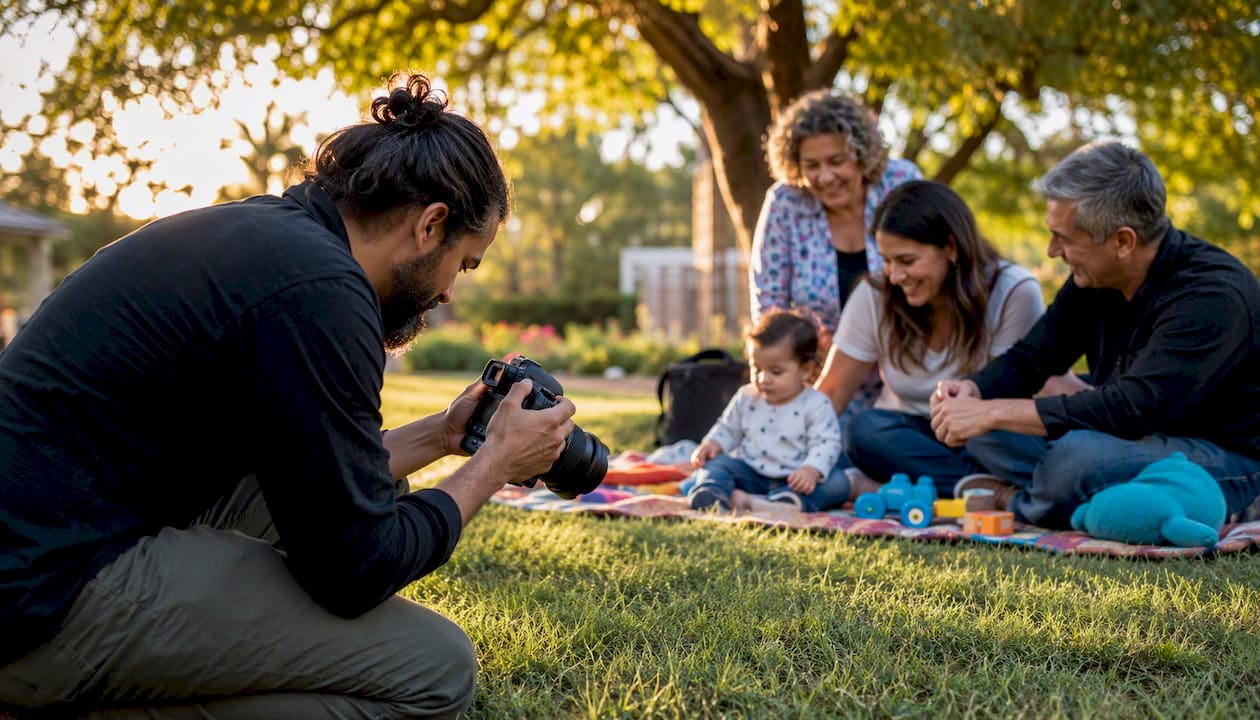
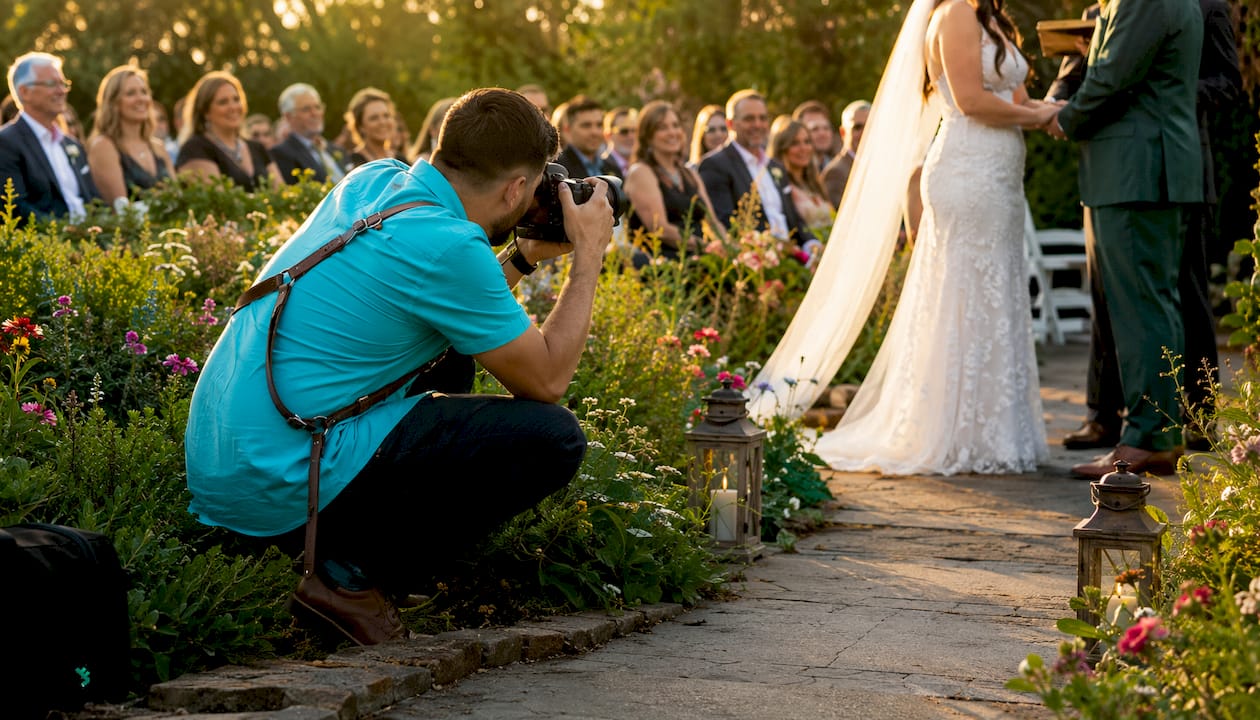
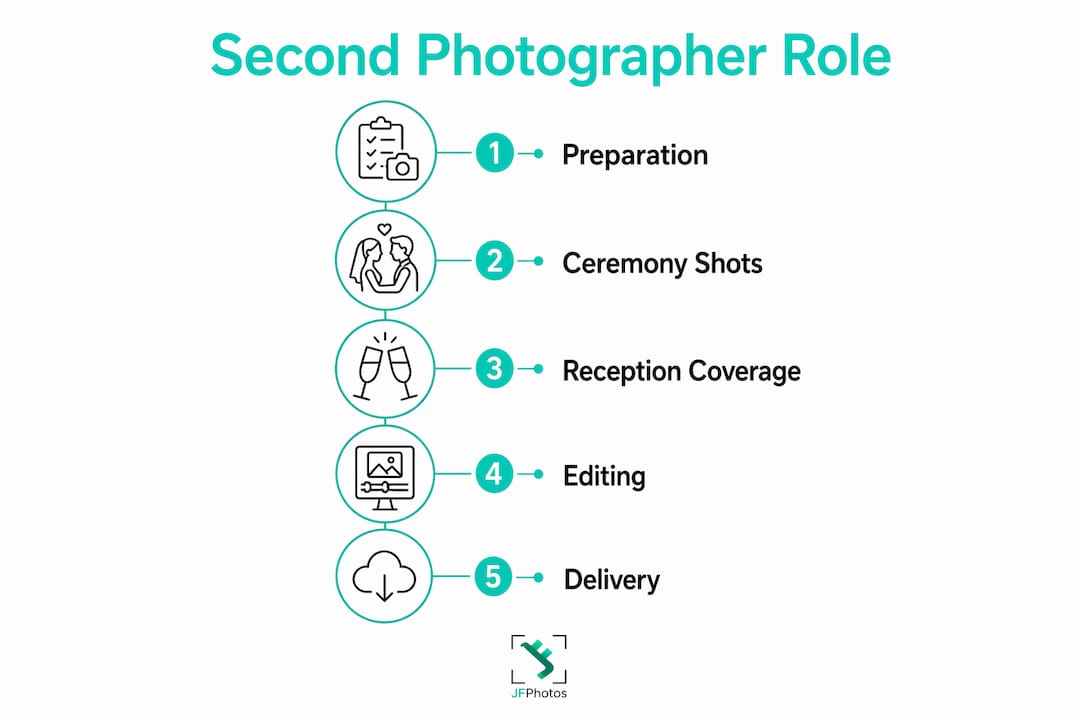
The role of a second photographer at weddings is straightforward: capture what the lead physically cannot, which is why professional second photographers focus on reactions and details to tell a fuller wedding story. While your lead focuses on you at the altar, the second shooter is positioned mid-aisle catching your partner’s reaction, your parents’ tears, and the wide shot that shows the entire venue. These are not bonus images. They are often the ones couples frame.
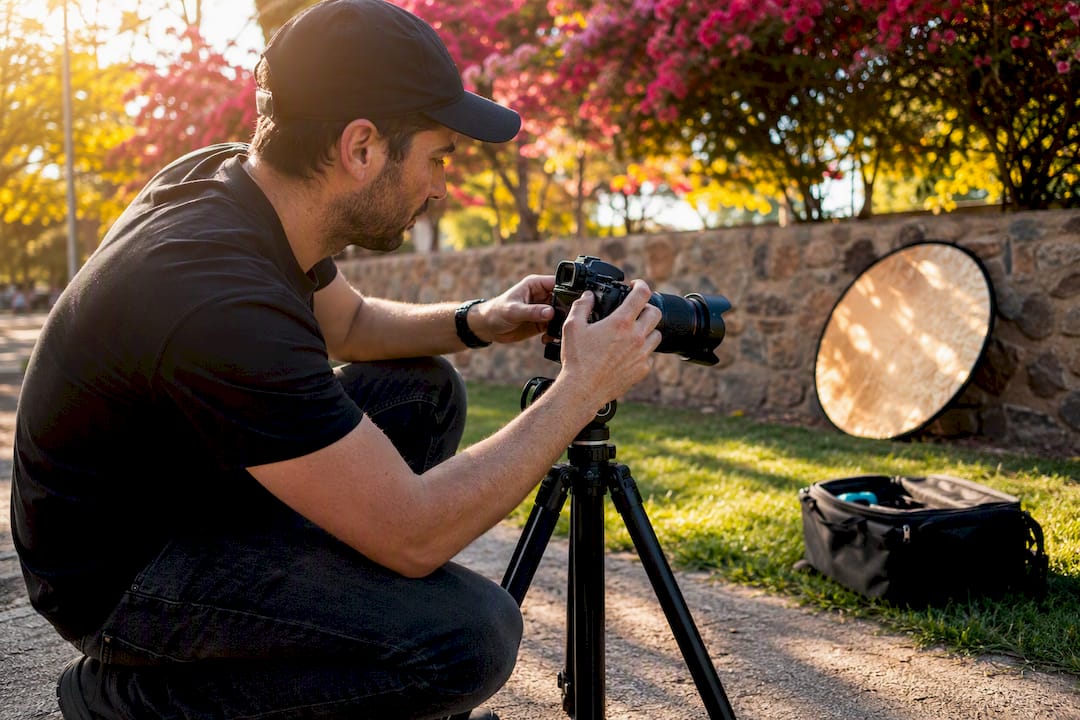
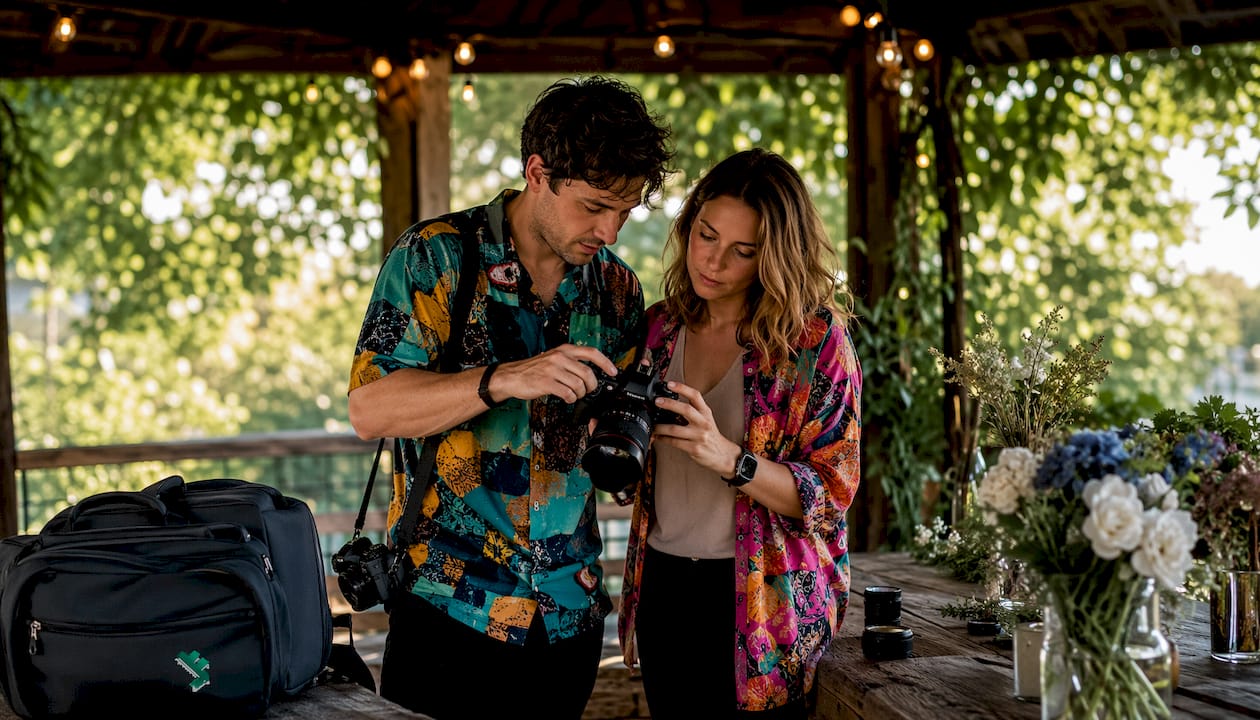
A second shooter is not an assistant. Assistants handle logistics, carry gear, and hold reflectors. A second shooter arrives with their own professional camera bodies, their own lenses, their own backup equipment, and their own creative eye. They make independent decisions about composition, timing, and positioning throughout the day.
Key elements of the second shooter’s role:
- Captures alternate angles of key moments simultaneously with the lead
- Documents candid guest reactions, emotions, and interactions
- Covers groom’s prep when the lead is with the bride, or vice versa
- Shoots wide venue and decor detail shots the lead cannot prioritize
- Works under the lead’s creative direction so the final gallery looks unified
- Does not promote their services to guests or deliver an independent gallery
Why hiring a second photographer benefits your wedding
The most direct benefit is simultaneous coverage. One photographer cannot be in two places at once. When your lead is shooting you walking down the aisle, nobody is capturing your partner’s face at that exact moment without a second camera in the room. That reaction, often the most emotionally charged image of the entire ceremony, disappears in seconds.
Beyond the ceremony, a second shooter adds depth to every part of your day:
- Parallel preparations: Both getting-ready sessions documented fully, even across separate locations
- Guest storytelling: Candid laughter, tears, and quiet moments between guests that build emotional texture
- Logistical support: Faster group shots, smoother timeline transitions, and less pressure on your schedule
- Technical backup: If the lead encounters an equipment issue, coverage continues without interruption
- Gallery variety: Different focal lengths, angles, and compositions that make your album feel layered, not repetitive
Pro Tip: Ask your lead photographer who they trust as a second shooter. A reliable second shooter has shot weddings before, understands how to anticipate moments, and knows how to complement rather than compete with the lead. Consistency and quiet professionalism matter far more than a flashy portfolio.
The emotional depth a second shooter adds to a wedding gallery is genuinely hard to replicate any other way. These are the images couples say they “didn’t even know happened.”
What a second shooter covers throughout your wedding day
The division of labor between lead and second shooter follows a clear logic: the lead owns the main narrative, and the second shooter fills the gaps. Understanding this split helps you set realistic expectations for what you will receive.
| Coverage Area | Lead Photographer | Second Shooter |
|---|---|---|
| Getting ready | Bride’s prep (typically) | Groom’s prep and venue details |
| Ceremony | Couple at the altar, vows, rings | Guest reactions, wide venue shots, partner’s expression |
| Portraits | Directed couple and family portraits | Candid moments, wedding party details |
| Cocktail hour | Couple portraits | Guest candids, decor, ambient shots |
| Reception | First dance, speeches, key moments | Room reactions, dance floor candids, detail shots |
Second shooter responsibilities in practice:
- Reaction shots during toasts and vows, capturing guest emotions the lead cannot see
- Wide-angle ceremony shots showing venue architecture and full guest seating
- Decor and floral detail shots while the lead stays focused on people
- Overhead or balcony angles during the ceremony when the venue allows
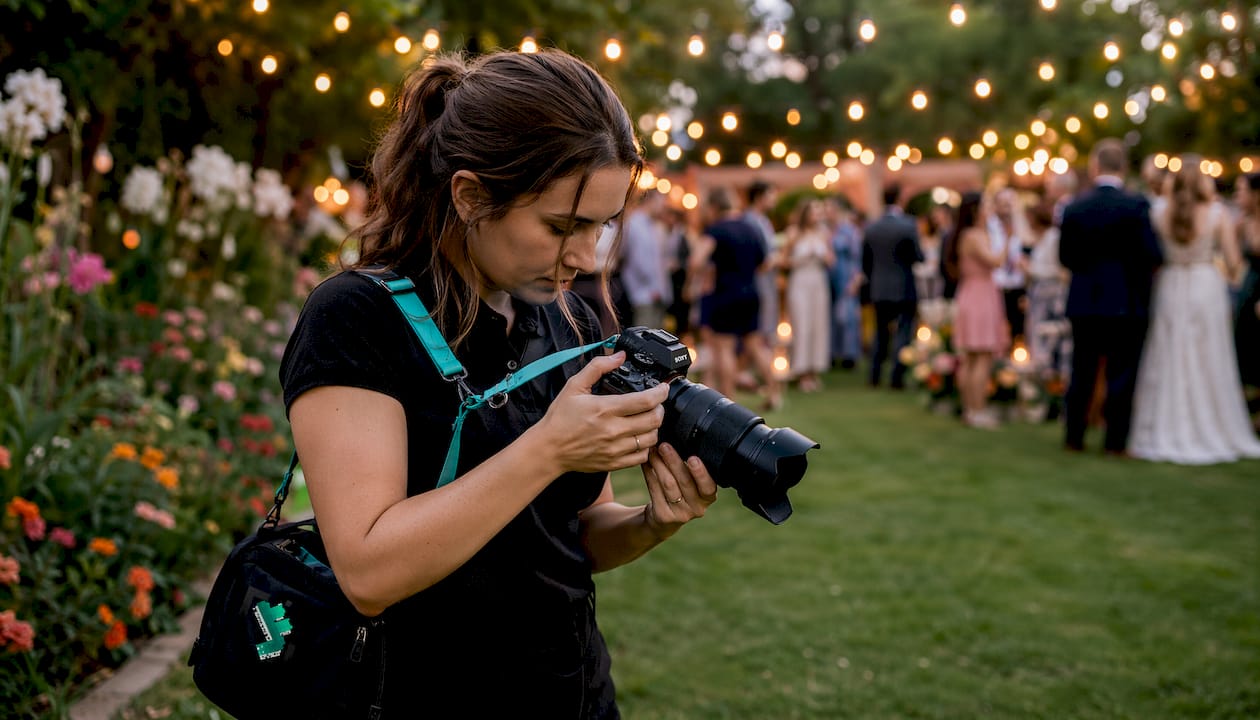
- Candid reception coverage while the lead handles key programmed moments
All images from the second shooter go through the same post-production editing process as the lead’s images, delivering one cohesive gallery with a unified aesthetic. Before the wedding day, the lead and second shooter sync camera settings, including white balance, file format, and exposure, so the images integrate cleanly in editing.
A typical second shooter involves an additional investment of $500 to $1,500, reflecting the professional’s experience and the event’s complexity. That range reflects a professional with their own gear and insurance, not someone learning on the job.
When should you hire a second wedding photographer?
The decision to add a second shooter depends more on your wedding’s logistics than on guest count alone. That said, certain scenarios make dual coverage close to non-negotiable.
Hire a second photographer when your wedding involves a larger guest list and more simultaneous moments that one photographer cannot fully cover.
- You are both getting ready at the same time. If you want both preparation stories documented, you need two photographers. There is no workaround.
- You have multiple venues. Separate ceremony and reception locations with a tight transfer window require two photographers to cover both spaces without gaps.
- Your wedding spans multiple days or includes cultural traditions. Indian, Jewish, and other multi-event celebrations often have concurrent activities that a single photographer cannot cover.
- You want ceremony reactions captured. If your partner’s face during your walk down the aisle matters to you, someone needs to be at the altar while someone else is at the back.
- Your timeline is tight. A second photographer speeds up group shots and reduces the risk of falling behind schedule during a part of the day couples often find stressful.
- You have invested heavily in design and decor. A second shooter can document florals, tablescapes, and venue details while the lead stays focused on people.
For smaller, more intimate weddings with under 60 guests at a single venue and a relaxed timeline, one experienced photographer can often cover the day beautifully. The calculus changes the moment complexity enters the picture.
Ready to talk through what your wedding day coverage should look like? At JFPhotos, we bring over a decade of professional wedding photography experience to every event in Phoenix, AZ and beyond. Whether your day calls for a single lead or a full wedding photography team, we will help you build the right coverage plan for your vision.
Key Takeaways
A second wedding photographer captures what the lead physically cannot, turning a single-perspective gallery into a complete, layered visual story of your day.
| Point | Details |
|---|---|
| Second shooter vs. assistant | A second shooter photographs independently with their own gear; an assistant handles logistics and does not primarily shoot. |
| Core coverage value | The second shooter captures partner reactions, guest emotions, and parallel events the lead cannot reach simultaneously. |
| Typical cost | $500 to $1,500 |
| When it is essential | Weddings with more guests, multiple venues, simultaneous getting-ready sessions, or tight timelines benefit most from dual coverage. |
| Gallery consistency | All second shooter images go through the lead’s editing process, delivering one unified gallery with a consistent aesthetic. |
Recommended
Recent Posts