Headshot vs. Portrait: What Every Business Should Know
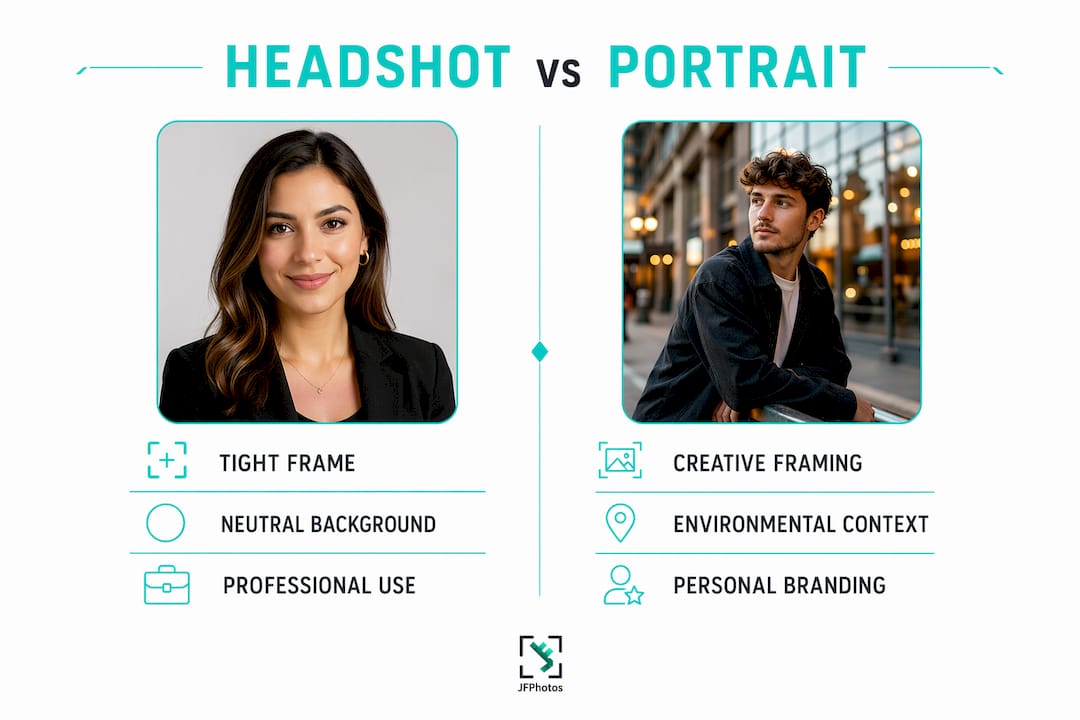
A professional headshot is defined as a tightly framed photograph of the face and shoulders, shot against a neutral background, for the sole purpose of professional identification. A portrait, by contrast, includes more of the body and surrounding environment to convey personality, context, and story. Understanding the difference between headshot and portrait business photography is not a matter of preference. It determines whether your image builds instant credibility or tells a richer brand narrative. Both serve distinct roles, and the most effective professionals use both strategically.
What is the difference between headshot and portrait business photography?
The primary difference between a headshot and a portrait is intent. A headshot is professional and consistent, built for identification. A portrait is artistic, built to tell a visual story about the subject. That single distinction drives every decision about framing, lighting, background, and expression.
Headshots follow a standardized format. The frame cuts off at the shoulders, the background is plain, and the lighting is even and flattering. This consistency is the point. When your photo appears in a company directory, on LinkedIn, or in a conference program, viewers need to recognize you instantly. Artistic variation would undermine that goal.
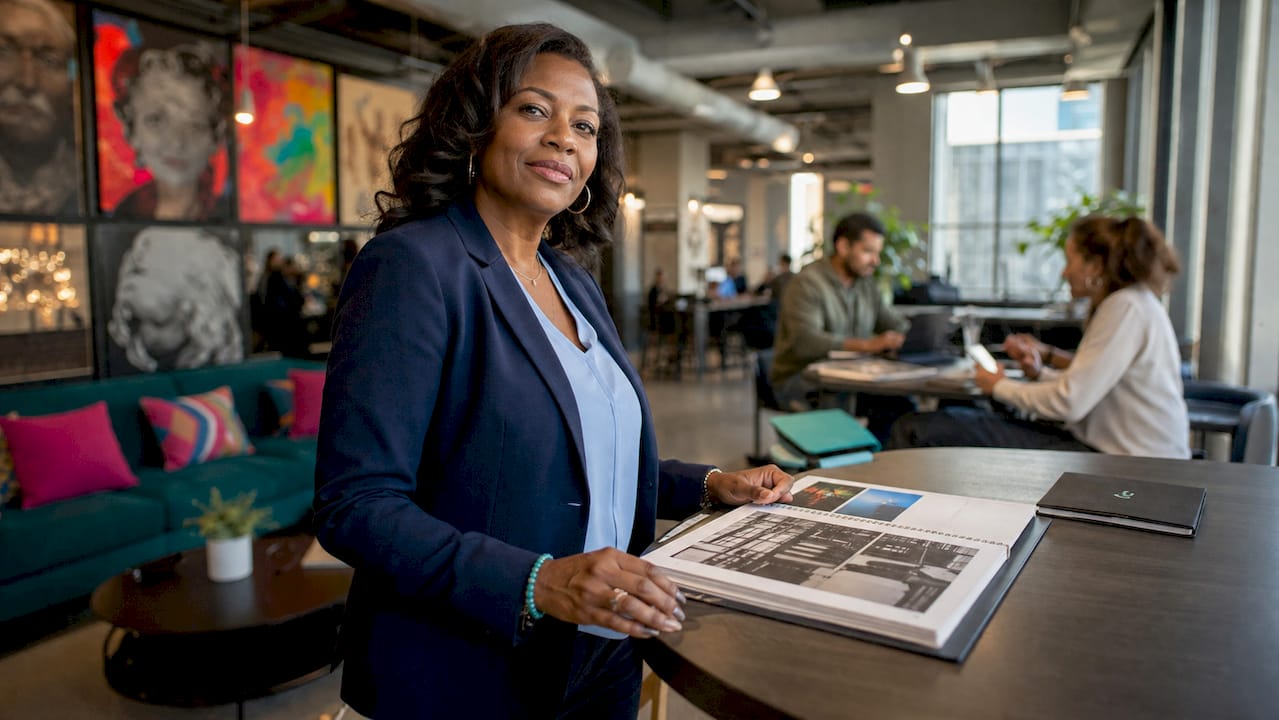
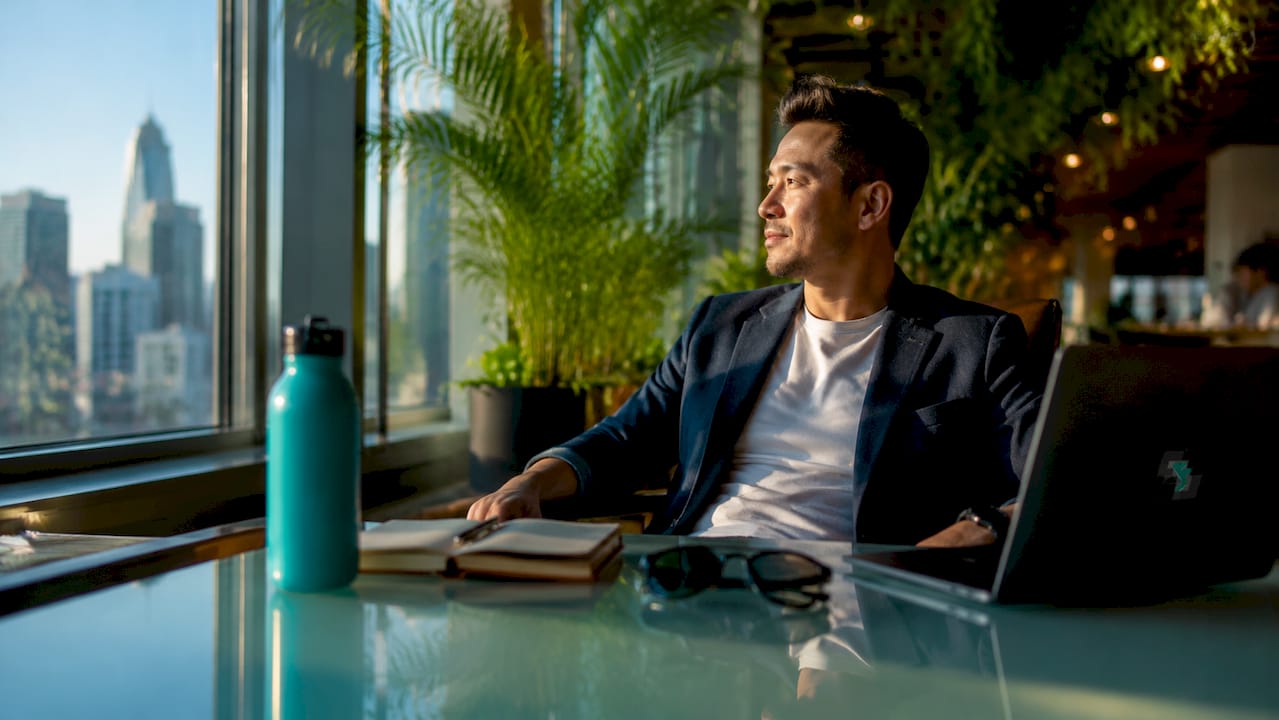
Portraits give the photographer and subject far more creative room. The frame might include a desk, a cityscape, a workshop, or a natural setting. Props, wardrobe, and environment all contribute to the message. A portrait of a creative director shot in her studio communicates something a plain headshot never could.
Combining both types supports a layered professional narrative that meets diverse business and marketing needs. Relying on only one limits what your image library can do for you.
What defines a professional headshot and its uses in business
A professional headshot follows specific technical and compositional standards. The frame runs from the top of the head to just below the shoulders. The background uses neutral tones such as charcoal, navy, or gray, which avoid dating the image and support consistency across platforms. Lighting is soft and even, minimizing shadows and distractions.
The most common uses for headshots in a business context include:
- LinkedIn profiles: LinkedIn is the primary professional network, and your headshot is the first thing a recruiter or client sees.
- Company bios and directories: Consistent headshots across a team project a unified, professional brand.
- Press releases and media kits: Editors and journalists need a clean, identifiable photo they can publish quickly.
- Conference and speaker programs: Event organizers require standardized images for printed and digital materials.
- Email signatures: A headshot in an email signature adds a personal, trustworthy touch to business communication.
Individual headshot sessions typically last 20–60 minutes and cost $250–$600 in major US markets. Team sessions run 1–3 hours with discounted per-person rates. That pricing reflects the focused, efficient nature of headshot work.
Pro Tip: Wear clothing one step above your daily attire and bring a spare pair of glasses to reduce lens glare. Small preparation details make a measurable difference in the final image.
Headshots should be updated every 2–3 years. Subtle changes in appearance reduce professional credibility when an outdated photo is still in circulation. If you have changed your hair color, lost or gained weight, or aged noticeably since your last session, update your headshot now.
How do portraits differ from headshots in style and business use?
Portraits operate on a different set of rules. The frame is wider, often including the upper body, hands, or full figure. The setting adds meaning. A financial advisor photographed in a modern office communicates stability. A chef photographed in her kitchen communicates craft and passion. The environment is not background noise. It is part of the message.
Common business uses for portraits include:
- Leadership bios on company websites: A portrait of a CEO in context signals authority and personality.
- Personal branding campaigns: Coaches, consultants, and speakers use portraits across websites, social media, and marketing materials.
- Editorial features: Magazines and online publications favor portraits that tell a story rather than a plain headshot.
- Marketing collateral: Brochures, banners, and ads benefit from images with visual depth and narrative.
Portraits can last 3–5 years if the environment remains relevant. A portrait shot in your current office or workspace stays useful as long as that setting reflects your brand. When you move, rebrand, or shift your professional focus, the portrait needs to follow.
Consultants and executives benefit most from maintaining a photo library that includes headshots, environmental portraits, and brand imagery. Each type serves a different channel and audience. Having all three means you are never caught without the right image for the right moment.
Pro Tip: When planning a portrait session, scout your location in advance. The quality of natural light changes significantly by time of day, and the best portrait light in most indoor settings appears in the morning.
Technical differences: framing, lighting, expression, and retouching
The technical gap between headshots and portraits is wider than most clients expect. Each style requires different camera settings, lighting setups, and post-processing approaches.
| Element | Headshot | Portrait |
|---|---|---|
| Framing | Head and shoulders only | Upper body, full figure, or environmental |
| Background | Neutral: gray, charcoal, navy | Location-specific or styled |
| Lighting | Soft, even, minimal shadow | Creative, directional, mood-driven |
| Expression | Approachable, confident, natural | Varied: relaxed, authoritative, expressive |
| Retouching | Natural: blemish removal, color balance | Stylized: mood grading, environmental enhancement |
Corporate headshot lighting minimizes distractions with soft, even light. Portrait lighting adds mood and context through directional or creative setups. The difference is not about which looks better in isolation. It is about which serves the image’s purpose.
Technical standards for corporate headshots recommend shooting at aperture f/4–f/11, shutter speed 1/250s or faster, and the lowest native ISO for optimal clarity. These settings produce sharp, clean images that reproduce well across print and digital formats.
Expression coaching separates average headshots from great ones. Confidence and approachability come from subtle direction: relaxed posture, a genuine smile that engages the eye muscles, and avoiding the stiff “frozen grin” that appears when subjects are nervous. A skilled photographer coaches you through this in real time.
Professional retouching for headshots focuses on natural appearance. That means removing temporary blemishes and correcting color balance, not heavy airbrushing. Over-retouched headshots undermine trust because they no longer look like the person who walks into the room. You can learn more about industry retouching standards in JFPhotos’ guide to headshot retouching.
Pro Tip: Ask your photographer to show you a test shot on a laptop or large screen before the full session begins. Catching a lighting or background issue early saves significant time in post-processing.
How to choose between a headshot and a portrait for your business
The right choice depends on four factors: intended use, audience, industry norms, and your brand message. Work through each one before booking a session.
-
Define the intended use first. If the image goes on LinkedIn, a company directory, or a press release, you need a headshot. If it goes on a personal website, a marketing campaign, or an editorial feature, a portrait serves better.
-
Know your audience. Corporate and legal sectors expect clean, standardized headshots. Creative industries, coaching, and personal branding tolerate and often prefer expressive portraits.
-
Check industry norms. A financial advisor and a brand strategist serve different audiences with different visual expectations. Look at how peers in your field present themselves online before deciding.
-
Match the image to your brand message. If your brand is built on approachability and personality, a portrait communicates that more effectively than a headshot alone. If your brand is built on authority and consistency, a strong headshot is the foundation.
-
Book a combined session when budget allows. A single session with JFPhotos can produce both headshots and portraits. You leave with a complete photo library rather than a single image. The cost of a combined session is almost always lower than booking two separate appointments.
-
Prepare thoroughly before the session. Wardrobe, location scouting, and a clear brief all affect the outcome. JFPhotos’ guide on how to prepare for a corporate headshot session covers every preparation step in detail.
Key Takeaways
Headshots and portraits serve different professional purposes, and using both gives you the most complete and credible image library for your business.
| Point | Details |
|---|---|
| Headshots are for identification | Use tight framing, neutral backgrounds, and even lighting for LinkedIn, directories, and press. |
| Portraits tell a story | Wider framing and environmental context communicate personality and brand narrative. |
| Update headshots every 2–3 years | Outdated photos reduce professional credibility when appearance has changed noticeably. |
| Technical standards matter | Shoot headshots at f/4–f/11, 1/250s or faster, and lowest native ISO for clean results. |
| Combined sessions build stronger libraries | Booking headshots and portraits together saves cost and produces a versatile image set. |
Why I always recommend both, not one or the other
Most clients come to me having already decided they need “just a headshot.” That decision usually comes from budget caution or a narrow view of where their photos will actually be used. After a decade of shooting professionals in Phoenix and across Arizona, I can tell you that the clients who invest in both a headshot and at least one portrait consistently get more use out of their photo library.
The headshot handles the formal channels. The portrait handles everything else. When a client gets featured in a local magazine, the editor does not want a plain headshot. When a speaker submits materials for a conference website, the event team wants something with visual depth. The portrait fills that gap every time.
The mistake I see most often is waiting too long to update either image. I have had clients show up with headshots that were seven or eight years old. The person in the photo and the person in the room looked like different people. That gap damages trust before a conversation even starts.
Expression is the other thing most clients underestimate. A stiff smile reads as uncomfortable, not confident. The best headshots come from sessions where the subject is relaxed and coached through natural expressions. That takes a few minutes of warm-up, not just a camera click. If your photographer is not coaching your expression, you are not getting the full value of the session.
My practical advice: plan for both types in a single session. Bring two or three wardrobe options. Scout the portrait location in advance if shooting on location. And treat your photo library as a living asset that needs updating on a regular schedule, not a one-time task.
— Justin
Professional headshots and portraits with JFPhotos
JFPhotos serves professionals and businesses across Phoenix, AZ, with portrait photography services built for real-world branding needs. Whether you need a clean corporate headshot for LinkedIn or an expressive environmental portrait for your website, JFPhotos delivers both in a single, efficient session.
With over a decade of experience and a portfolio spanning corporate, personal branding, and commercial photography, JFPhotos tailors every session to your specific goals. Studio and on-location options are available, with professional editing included and fast turnaround times. If you are ready to build a photo library that works across every channel, book your session with JFPhotos today.
FAQ
What is a headshot vs. a portrait in business photography?
A headshot is a tightly framed, standardized photo of the face and shoulders used for professional identification. A portrait is a wider, more expressive image that includes body and environment to convey personality and context.
How often should I update my professional headshot?
Professional headshots should be updated every 2–3 years, or sooner if your appearance has changed significantly. Outdated headshots reduce credibility when they no longer match how you look in person.
Can I use a portrait instead of a headshot on LinkedIn?
LinkedIn recommends a clean, professional headshot for profile photos because the platform is built for identification and networking. Portraits work better on personal websites, editorial features, and marketing materials where storytelling matters more than standardization.
What background color is best for a business headshot?
Neutral tones such as charcoal, navy, and gray are the industry standard for headshots. These colors avoid dating the image and maintain consistency across print and digital channels.
How long does a professional headshot session take?
Individual headshot sessions typically run 20–60 minutes. Team sessions take 1–3 hours depending on the number of people involved, with per-person rates usually discounted for groups.
Recommended
Recent Posts